
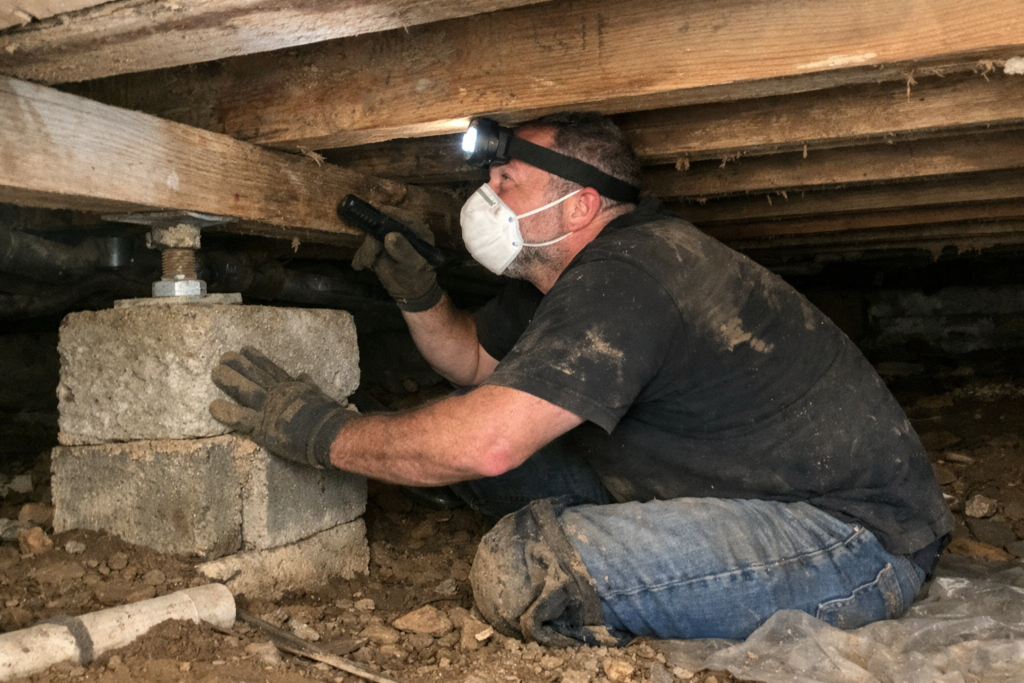
How Foundation Repair Contractors Can Book More Jobs Predictably
If your foundation repair business suddenly got more work, what would break first? When new work shows up fast, crews feel the pressure and schedules tighten.
You notice wasted time on quick turnarounds, callbacks and reschedules, and the risk of corners starting to show up in the work. The idea here is to stay practical, focused on crew capacity and clear engineering standards so jobs stay on track even when the workload grows.
- Build a system that keeps your foundation schedule booked without panic
- Tighten your inspection process before you add more foundation leads
- Protect your crew and schedule when jobs get urgent
- Price foundation repairs so you can do it right the first time
- Keep what gets foundation calls and drop what wastes visits
- Summary
- FAQs
Build a system that keeps your foundation schedule booked without panic
When a foundation crew is staring at a busier week, time pressure creeps into every estimate and every call that comes in. Plans drift, miscommunications slip from homeowner to foreman, and the clock tolls in spent hours, travel time, and callbacks.
Sticking to engineering standards and watching crew capacity helps keep the work from spilling into slow weeks and keeps the schedule manageable. A real moment is a callback when a homeowner questions the scope after a crew has already left.
Tighten your inspection process before you add more foundation leads
People try to push more work by rushing inspections, cranking out quick estimates, and saying yes to a wider mix of foundation jobs. That rush breaks when details slip, measurements aren’t solid, and different crew members chase their own versions of the plan.
It turns into stress, schedule messes, and a tangle of callbacks and reschedules as customers hear mixed signals. Clean looks like solid inspections with clear notes, a shared understanding of scope, steady updates to the homeowner, and crews moving on a single track instead of pulling in every direction.
Protect your crew and schedule when jobs get urgent
When a foundation repair job is kept clean, the flow stays steady from the site walk to crew setup and into the repair sequence. Communication stays simple with a single plan and a clear point of contact so the foreman and estimator move together without back and forth.
The schedule stays tighter because each task is described once, from pier placement to crack repair and soil stabilization, so crews aren’t guessing what comes next. A concrete mini moment sits in a smooth handoff when the plan is handed to the crew, the first pier stack goes in on time, and the jobsite remains clean with minimal tracking, lowering the chance of callbacks.
Price foundation repairs so you can do it right the first time
This pattern shows up when the handoff between estimating and on site work lands soft, and the crew is left chasing a moving scope. It costs time, money, energy, and schedule when you end up with wasted trips, rework, and callbacks from a misread plan.
This went sideways when access surprised a crew and a job with tight margins stretched because the entry was blocked or the space was different than the plan. Caught earlier next time looks like flagging access and confirming the real conditions before mobilization so the crew can stay in rhythm and the client sees honest expectations.
Keep what gets foundation calls and drop what wastes visits
What stays true on real jobs is that standards, follow-through, and clean expectations keep work from slipping into chaos. When a field crew and foreman agree on a scope and signoff points before work begins, the project stays steady through good weeks and bad weeks.
A real moment on site might be pausing to remeasure and confirm bearing depth after unexpected soil movement instead of pushing ahead, which prevents rework later. A small signal of stability shows as fewer callbacks and fewer blown days, with handoffs between onsite and office teams going smoother.
Summary
More foundation jobs only helps if crews and scheduling can handle it. Fix the bottleneck and scale cleanly. If you’re curious how this differs locally, check the state picker.
FAQs
Why does getting busier with foundation jobs sometimes reduce profit and increase risk?
Why it happens: when you push into more jobs, the math of time and crew size bites back, with hours stretching and rework creeping in. What it looks like in real life: days run late, crews bounce between sites, and the estimate drift becomes a real pain point.
What 'handled well' looks like: you stay within what the crew can finish in a sane window and keep the most important work in front of you so the work stays solid. That keeps margins intact by avoiding rushed rework and sticking to engineering standards even when the list grows.
How do I avoid bad foundation jobs when I still need the work?
Why it's hard to avoid bad jobs while you still need the work: the pressure to fill the calendar can push you toward projects with murky scope. In real life that shows up as unclear expectations, creeping scope, and surprise costs that pop up after you start.
Handled well means you can talk about fit early, the repair plan matches what the crew can handle, and you keep a margin for unknowns. That way you protect margins while still taking on work that aligns with your standards.
What should I standardize first to handle more foundation jobs?
Why standardize first: consistency cuts rework and helps crews predict what a job will take. What it looks like on real jobs: better matching of repair methods, clearer field notes, and more reliable material use.
Handled well means every crew member uses the same terminology, the same scope references, and the same measurement checks so you aren’t guessing. That steadiness frees up capacity to handle more foundation jobs without creeping into overtime or corner-cutting.
How do I grow a foundation repair business without hiring too fast?
Why growth slows without hiring: demand can outrun crew capacity, but adding bodies too fast hurts quality. In real life that shows up as long weeks, more callbacks, and a backlog that stresses the crew.
Handled well looks like growing only when the team can absorb it and keeping up with estimates and rework so the schedule holds. That keeps engineering standards in check while you build toward more work without burning out the crew.