
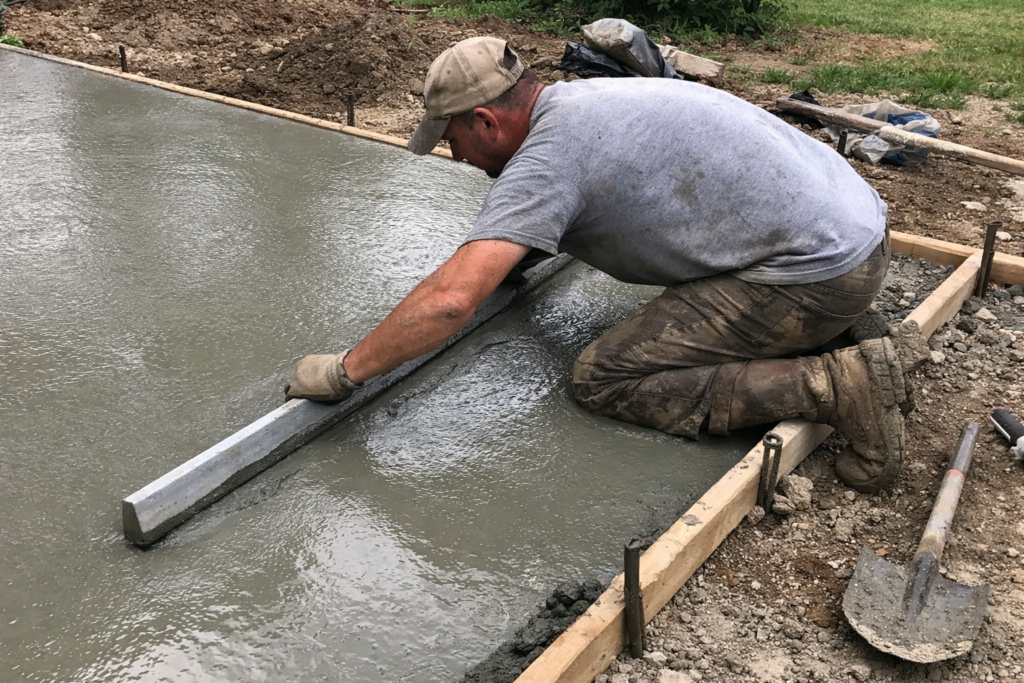
How Concrete Contractors Can Consistently Book More Jobs
If your concrete business suddenly got busier, what would break first? The weak spots usually show up around cure-time, equipment limits, and pacing a job so it fits the schedule.
Busy weeks squeeze buffers, callbacks stack up, and a single hold or rain day can push the whole plan off track. When schedules are kept simple and work is paced to cure windows, it can feel steadier even when demand climbs.
Create a pipeline that keeps crews pouring week after week
On a day to day basis, a concrete crew runs on cure times, equipment limits, and the need to pace pours so one job doesn't steal the next. When estimates slip or miscommunication happens, time and money slide fast, and the whole project drifts toward slow weeks and anxious contact with clients.
Slow periods show up as missed calls, tire-kickers, and inbox piling up, while crews try to keep the schedule honest without overloading a single day. One common moment is a late afternoon callback about a mismeasured edge that forces a reschedule, a reminder that precision on the front end matters more than speed.
Set crew and job standards before you stack more concrete work
When more concrete work shows up, teams tend to chase it by piling on jobs, assuming bigger crews and faster turnarounds will fix the schedule. But patience wears thin when cure times, form setup, and truck availability clash with tight estimates, and wrong jobs get pushed ahead just to keep the phone from ringing.
The result is stress, messy schedules, and a string of callbacks, reschedules, and mixed signals that leave crews racing to finish before the next round of concrete starts. Clean tracking looks like steady pacing, clear handoffs between crews, and honest timelines that respect cure and project limits, with customers getting steady updates instead of vague promises.
Missed calls and tire kickers still show up, slow weeks sneak in, but the team keeps a level plan, avoids overloading, and sticks to standard job pacing rather than chasing every shiny new job.
Protect your crew and schedule when pours stack up
On a cleanly managed pour, formwork, rebar, and joints stay organized and protected so the concrete can start curing without unnecessary hustle on the slab. Communication stays simple with quick, shared notes on what comes next and who is responsible, so the slab thickness and finish plan stay clear even if a small change pops up.
A smoother handoff happens when the pour arrives as scheduled and the finishing crew can begin right away, the site stays clean, and rain or delays don’t cascade into clean-up and rework. Fewer callbacks follow because details get locked in early, cure time is respected, and the crew can land the next job with a straight, clear estimate that doesn’t drag.
Price concrete jobs so you are not tempted to shortcut prep
Pattern you missed is scope creep and a late access surprise that leaves the crew standing around and the truck crew scrambling. That cost time, extra labor, and a rattling schedule that forced quick fixes and pushed other pours back.
Caught earlier next time looks like confirming access and a clear plan before the first form goes in, so cure-time stays in line with the pace. This went sideways once when a gate was locked and the crew stood around until the form change was sorted, leaving everyone tired and the bill higher.
Keep what wins concrete jobs and cut what does not pay
On real jobs, standards stay visible day to day in how crews verify forms, keep joints true, and manage curing windows so the concrete sets consistently. Follow-through shows up as clean handoffs between shifts, clear expectations for cure-time, and respecting equipment limits so the work flows without bottlenecks.
A trade-real moment often comes when a finisher checks the slab for tolerances before the next pour and communicates what the next crew should expect. The result is a calendar that stays predictable, fewer blown days, and calmer calls from crews delivering steady progress.
Summary
More concrete jobs only helps if prep and finish stay right. Fix the bottleneck, then add volume. Since rules and norms vary, you can skim the state notes here.
FAQs
Why does pouring more concrete jobs sometimes make profit worse with rework and delays?
Pouring more jobs at once stretches crews and equipment beyond what the site can tolerate, and that tension shows up as slower finish, more callbacks, and more rework. In real life you see longer waits between pours, missed cure windows, and edging or joint issues that have to be fixed later.
Handled well means you pace the work so cure time, equipment limits, and crew turnover stay in check, even as volume climbs. That pace keeps the line moving without sacrificing quality, and you avoid the domino effect of delays spiraling into a whole week.
How do I avoid bad concrete jobs when I still need the work?
Bad jobs creep in when volume is the driver and you don’t have clarity on site prep, cure needs, or access, so starts slip and finishes come back with issues. In real life you’ll see uneven surfaces, elevation errors, or finishes that need redoing because expectations weren’t aligned.
Handled well means you protect the schedule by turning away clearly wrong fits and focusing on work you can complete on time. That keeps callbacks and rework down and your crew’s days predictable even when you still need to fill the calendar.
What should I standardize first to handle more concrete volume?
First you standardize the basics that touch every pour, like forms, control joints, and the finish sequence, so the crew isn’t guessing on every site. On busy weeks that consistency shows up as fewer rework items and less time wasted chasing small fixes between projects.
Handled well means the crew can move from one job to the next with the same setup, same cure windows, and the same finish expectations. That steadiness buys you real time without adding headcount and makes scheduling smoother when volume climbs.
How do I grow a concrete business without hiring too fast?
Growth pressure shows up in busier weeks and longer callbacks, but overloading the crew leads to quality slips and longer cures. In real life you end up with crews stretched, equipment waiting, and jobs stacking, which hurts timelines.
Handled well means you expand only as the schedule opens and the fit stays solid, adding hands gradually and keeping cure windows intact. The goal is to grow with demand that matches your current pace, not push the crew to chase too many pours at once.