
Roofing Contractor Marketing Playbook (2026 Edition)
How do you keep a roofing business busy outside of storm season? When the phone slows, crews juggle schedules, callbacks, and last minute reschedules that can nick margins.
The win comes from clean installs, solid workmanship, and warranties that keep leaks out and reputations intact. Quiet periods still mean managing jobs that were started before and staying on top of cleanups so the next project lands without drama.
Real life is about steady quality, fewer calls, and a schedule that feels manageable even when the weather shifts.
- Build roofing marketing that stays strong after storm season
- Stop random roofing marketing and focus on inspections that convert
- Turn roofing jobs into referrals that keep coming
- Learn from the roofing jobs that cost you time and callbacks
- Double down on the roofing marketing that actually books inspections
- Summary
- FAQs
Build roofing marketing that stays strong after storm season
Outside storm season, the real pressure shows up in tight schedules, slow weeks, and the way small miscommunications ripple into wasted trips. A misread note on the estimate or a missed date can turn a simple house call into a second visit and more time on a ladder than planned.
When it's handled right, crews move with clean installs, clear follow ups, and steady communication that keeps the project on track and the leaks addressed for good. There was a wasted estimate that sat in the file for a week, never turning into a job.
Stop random roofing marketing and focus on inspections that convert
In real life, crews try to pull busy with broad marketing and quick price pitches to fill a slow week. That attention tends to scatter, follow through stays half finished, and they end up chasing the wrong jobs while the schedule gets crowded with back and forths.
It turns into stress, a tangle of callbacks and reschedules, wasted estimates, and mixed signals that leave customers unsure. When it lands clean, you see steady communication, reliable crews on a predictable path, tighter estimates that stay aligned with the work, and a calendar that actually fits real jobsite tempo.
Turn roofing jobs into referrals that keep coming
When this part lands cleanly the day on a roof starts with a straightforward plan and a tidy deck ready for the crew. Communication stays simple with one clear point of contact and a short update from the estimator to the crew plus a shared checklist kept in the truck.
The schedule holds steady with fewer late starts, the crew moves from section to section and the customer gets predictable progress notes instead of drama. A mini moment shows a smoother handoff, an estimate that doesn’t drag, a job that stays clean, and a site that is swept clean at day end.
Learn from the roofing jobs that cost you time and callbacks
this went sideways when a small scope change during the project pushed the schedule and left the crew waiting for work that wasn’t approved. The pattern you miss is tight handoffs, access that isn’t locked in, and edge details that shift without notice, and it costs time, energy, and a shared sense of pressure.
That drift shows up as wasted hours, a delayed finish, and a dent in the long term leak-free result when cleanup and sealing aren’t kept tidy. When caught earlier, the crew and homeowner share a clear scope, clean workmanship, and a final install that resists leaks and earns trust through steady results.
Double down on the roofing marketing that actually books inspections
Standards hold up over time with clear specs, careful workmanship, and clean installs that resist leaks. Follow-through matters because promises on day one show up in the finish without drift, and every handoff lands in the right place.
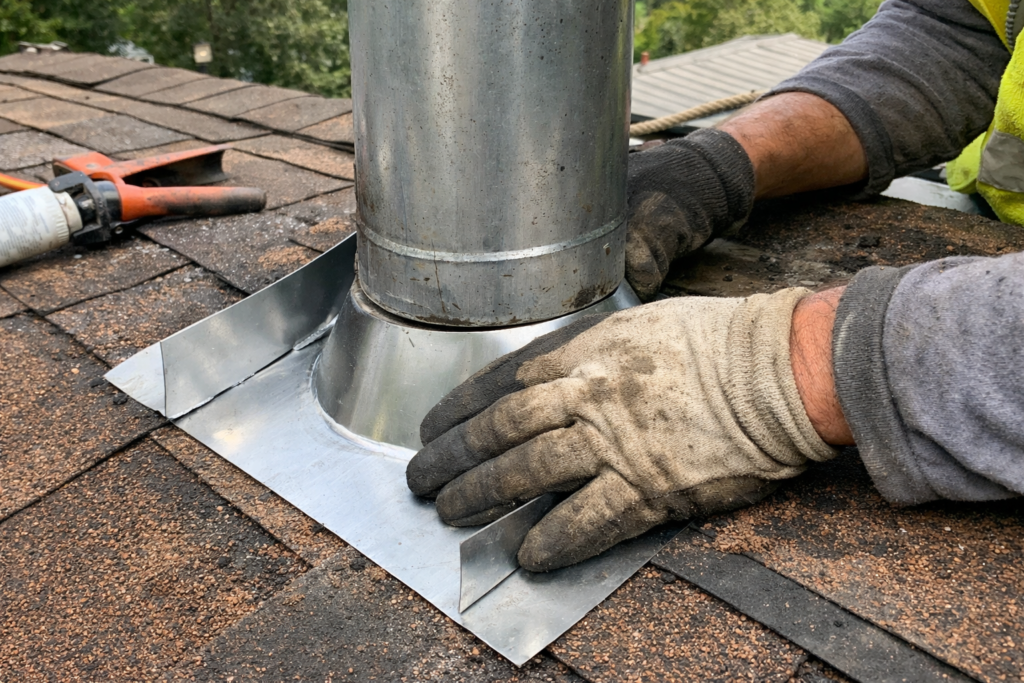
A real moment on the job is when a flashing edge starts to lift in a wind, the crew flags it, reseats it, and seals it before rain arrives. A small signal of stability is a calendar that stays predictable and a closeout that goes smoother with fewer callbacks.
Summary
Keep roofing marketing simple: prove workmanship, set expectations, and protect the calendar by saying no to bad-fit jobs early. For local nuance, the state picker breaks it down.
FAQs
Why does roofing demand boom during storm season and then slow down hard?
Why it happens: storms hammer homes and push repairs to the front of the line, so the call volume spikes and crews scramble to fit in urgent jobs. In real life you see tight schedules, rushed inspections, and a lot of last-minute patchwork that sparks rechecks and callbacks.
When the weather settles, demand dries up and the calendar looks scary open, with slow weeks and plenty of downtime between storms. Handled well means you keep quality in the mix, explain warranties clearly, and keep the crew moving on solid, leak-free work so trust isn’t tied to the next storm.
How long does it take for roofing work to feel more steady?
Steady shows up after you prove consistency over a few cycles of weather and callbacks. You notice fewer last-minute reschedules and fewer big rework flags because crews know what to expect and customers see solid workmanship.
Real life means you ride some busy weeks, some slower weeks, but the schedule stops swinging as much once you stop chasing every curveball and maintain reliable timing and quality. That results in predictable crews, clean installs, and customers who call back for future work because they got a leak-free result that stood the test of time.
Can a roofing company stay booked without chasing new leads nonstop?
It happens when reliable workmanship and a solid warranty turn past customers into repeat clients and neighbors into referrals. Real life shows up as a steady stream of maintenance checks, warranty visits, and word-of-mouth referrals from neighbors and inspectors who saw the job done right.
Handled well means you’re keeping promises on leaks and flashing, and you’re scheduling work in a way that fits the crew and the calendar without drama.
What’s the biggest mistake roofing contractors make that keeps work unstable?
Biggest mistake is treating a roof like a quick turnover and skimping on the critical details that keep leaks out. It happens when the calendar is tight and crews rush, or when the job isn’t treated as a long-term fix from the start.
In real life that means leaks show up, callbacks pile up, and trust erodes with customers who hear about the problem again. Handled well, you see solid, clean installs, durable flashing, and a warranty that backs the work, which keeps referrals alive and the schedule steadier.