
Mold Remediation Marketing Playbook for Contractors (2026)
How do mold remediation companies keep work coming in? Clients notice when containment looks solid, removal feels careful, and clearance is verified before the space is handed back.
Busy weeks mix in scheduling bumps, callbacks, and reschedules, and contractors who keep a calm, straight talk with homeowners tend to keep more work flowing. Smoothing the day means keeping expectations honest, documenting what was done, and showing proven results so new referrals come without relying on panic calls.
- Build marketing that makes your mold company the safe choice
- Stop guessing and market mold safety and process the right way
- Turn mold jobs into repeat referrals from past clients
- Learn from the mold jobs that became scope battles
- Double down on mold marketing that turns concern into booked work
- Summary
- FAQs
Build marketing that makes your mold company the safe choice
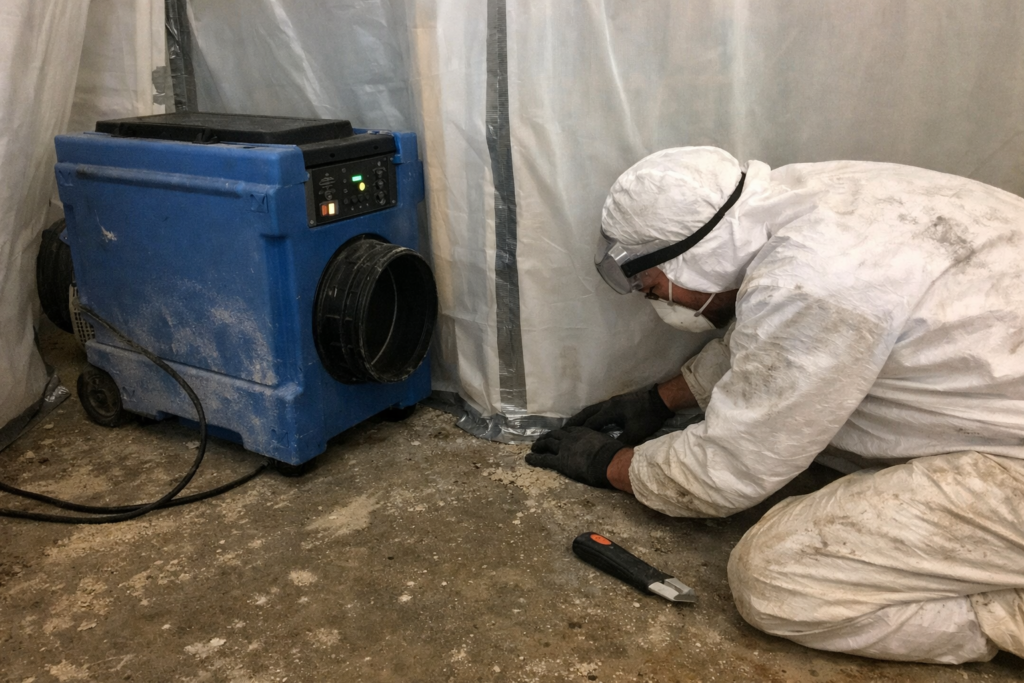
Mold work sits on a tight schedule, crews move from house to house, and a misread scope or a missing clearance can turn a calm week into back to back callbacks. When containment and safe removal are not matched with clear expectations, crews end up redoing work, wasting time, and the inbox fills with questions.
One rescheduled estimate after a slow week shows how plans wobble, the clock keeps ticking, and the crew loses productive days while the customer waits to hear how the space will be treated. Handled right, it looks like steady confirmations, thorough site notes, and verified clearance checks that keep work moving without stirring up fear or overpromising.
Stop guessing and market mold safety and process the right way
People chasing mold work tend to chase a mix of panic calls, tire kickers, referrals, and sporadic website inquiries. That scatter happens because responses lag, follow up slips through the cracks, and messages from different sources don’t line up.
It turns into stress on the schedule, last minute reschedules, half written estimates, and callbacks from customers who feel left out in the cold. When it’s handled cleanly the signals align, the schedule stays steadier, and homeowners get a straightforward sense of what to expect without mixed messages.
Turn mold jobs into repeat referrals from past clients
When mold work is handled cleanly, the job moves with a clear scope, proper containment, and verified clearance before moving on. Communication stays simple with one point of contact and straightforward updates, plus real notes and photos that show how the work is progressing.
The schedule stays steadier because decisions get made at the right time and the crew can stage equipment without surprises, so there are fewer last minute reschedules. A concrete moment is when containment is set, clearance is logged, and the handoff to the next crew feels smooth, an estimate lands quickly, and the site stays clean with fewer callbacks.
Learn from the mold jobs that became scope battles
The pattern that bites us is scope creep that slips in after containment starts, turning a tight plan into extra rooms, extra barriers, and mixed handoffs between crews. That drift costs time, energy, and schedule, and it shows up as blown estimates and a string of callbacks for rechecks and recontamination fears.
That drift became clear, this went sideways when access to a crawl space was blocked and a client kept changing expectations, leaving the crew waiting. When it is caught earlier, the job reads as a clearly bounded containment scope with removal completed and clearance verified, so the team can wrap without the nagging doubt of what still might be needed.
Double down on mold marketing that turns concern into booked work
On real jobs, steady work rests on clear standards that everyone understands from the first briefing to the final clearance. Follow through shows up as a consistent sequence in the day to day, with containment kept intact, waste moved properly, and the paperwork completed before the crew leaves.
A common moment on a remediation site is balancing controlled access with daily cleanup to keep dust down while the work proceeds. That calm, predictable rhythm reduces surprises and means handoffs between crews are smoother and fewer callbacks.
Summary
Keep mold remediation marketing simple: calm clarity, real proof, and clean process signals protect your calendar and reputation. Details vary a bit by place — here’s the state-by-state view.
FAQs
Why does mold work come in waves instead of staying consistent?
Waves appear because demand shifts with moisture events, homeowner timing, and how projects get scheduled. On real jobs you see bursts of inspections and containment followed by slow spells while the next decision or funding comes through.
Handled well means keeping a core crew busy, staying clear about what's in scope, and having clearance results ready so the next job can start cleanly. That balance reduces wasted time and keeps the calendar from swinging hard from week to week.
How long does it take for mold remediation work to feel more consistent?
Consistent work tends to show up after a run of steady inspections, reliable referrals, and steady follow up with partners. In practice you'll notice weeks where the schedule holds, fewer long gaps for estimates, and a few manageable projects stacked with the next ones.
Real progress looks like fewer empty slots, less rework from unclear scopes, and a smoother flow from first contact to clearance. Handled well means you can forecast a few weeks out and keep crews busy without chasing every new lead.
Can mold remediation stay booked without chasing new calls constantly?
Yes, it can stay booked without chasing new calls constantly if you have repeat clients and reliable referrals. On real jobs that shows as weeks with calls from repeat clients and managers, and a steady queue from partners who know your work.
Handled well means verified clearance stays on file, and your team shows up ready to close the job and book the next one. That pace feels steadier than relying on urgent inquiries and keeps your calendar from bouncing around.
What’s the biggest mistake mold remediation contractors make that keeps work unstable?
The biggest mistake is counting on a few big jobs or urgent inquiries instead of building steady relationships that yield regular work. On real sites you see the pattern where one busy week hides gaps that follow, and lack of follow up or poor documentation keeps the rhythm unstable.
Handled well means you document results and clearance, communicate clearly with clients and partners, and stay prepared for the next job so there’s less rework. That approach steadies the calendar even when weather and turnover throw a wrench.