
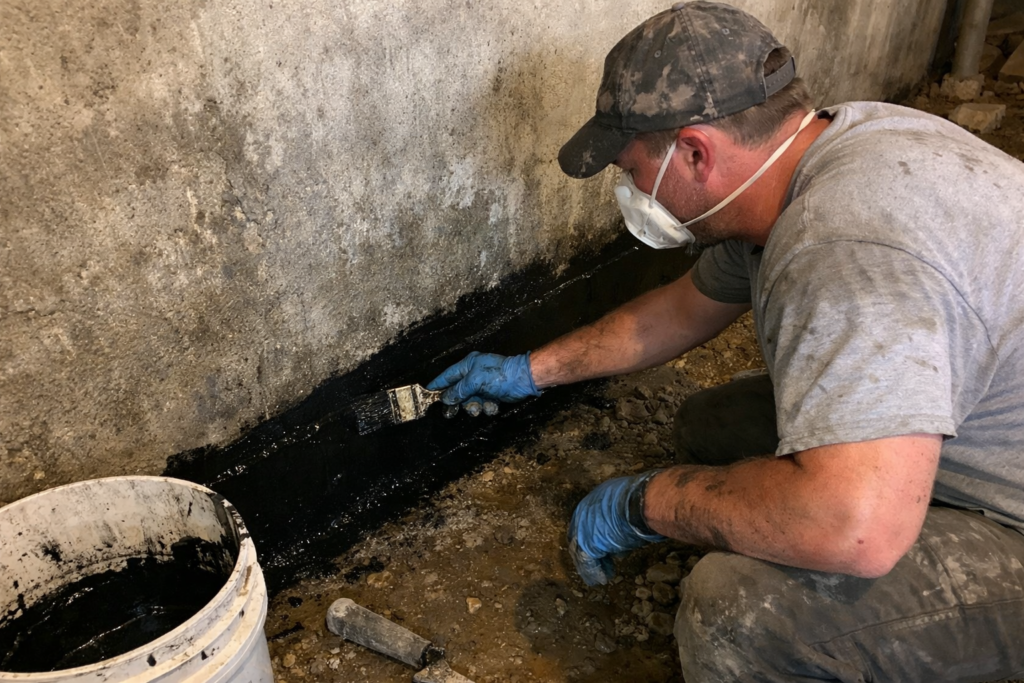
How Waterproofing Contractors Generate High-Urgency Leads
What kind of waterproofing jobs are actually worth taking? In real weeks you will see damp spots that look cosmetic at first, and other days a real foundation crack shows up after a heavy rain.
The trick is filtering out cosmetic-only problems so you are not chasing wasted estimates, callbacks, or reschedules. When a project is a real fix, the work tends to stay on schedule, the crew moves through without chaos, and the homeowner stops worrying about the next surprise.
That balance comes from recognizing the difference early and sticking with jobs that actually need work rather than the small problems that fade once the rain stops.
- Set up lead sources for basement leaks and drainage problems
- Ask waterproofing questions that prevent bad diagnostics
- Spot waterproofing red flags before you chase the wrong fix
- Stop giving free waterproofing advice to everyone online
- Follow up fast so waterproofing leads do not hire the next company
- Summary
- FAQs
Set up lead sources for basement leaks and drainage problems
Basement leaks and damp spots pull in leads that scream urgent, but a lot of the time it’s drainage or cosmetic trouble dressed up as a crisis, so crews end up chasing the wrong fix on the first visit. The real stress shows up in the schedule: estimates sit for days, callbacks pile up, and slow weeks push crew members into prioritizing speed over accuracy.
Leads that are real fixes tend to come with clear signs of actual water intrusion and proper drainage issues, and the work settles into steady, practical fixes rather than cosmetic patches. One time a call about a basement seep turned into a reschedule when the homeowner decided to hold off for a broader remodel, leaving the crew with a slow week and a wasted estimate to chase later.
Ask waterproofing questions that prevent bad diagnostics
Most folks go after leads by chasing anything that looks like a waterproofing need, juggling missed calls, tire kickers, and slow weeks. The problem is that scope gets muddy fast, people pitch cosmetic fixes as real repairs, and notes from different crews don’t line up, so a simple basement leak turns into a bigger inspection and a lot of guessing.
That confusion shows up as schedule mess, callbacks and reschedules, half-finished follow-ups, and wasted estimates that sit on a desk or drift into a pile of unconfirmed jobs. When it’s done cleanly, there’s clear, shared notes about what’s actually needed, a steady rhythm to the day, and customers who get straight answers about real fixes and timelines.
Spot waterproofing red flags before you chase the wrong fix
When this part is handled cleanly, the crew rolls in with a clear scope and a real fix in mind, not chasing cosmetic symptoms. The handoff is a smooth moment when the foreman gets a single sheet with the approved scope at the door and the crew can start without back and forth.
Communication stays simple and the schedule stays tighter because estimates align with what the site needs, reducing the chance of rework and missed windows. Fewer things blow up later, the job stays clean through completion, and the right kind of customers keep coming back even during slow weeks.
Stop giving free waterproofing advice to everyone online
The pattern you missed is scope creep buried in small asks that seem harmless but end up widening the patch and the schedule slips, time and energy drained while the job drags on. That cost shows up as wasted trips, misaligned expectations, and a string of callbacks that gnaw at the crew's focus and the budget.
That moment came when access was blocked, and this went sideways as a late change order left the crew waiting and the client wondering what was actually fixed. Caught earlier next time looks like a clear line of what actually needs fixing and a cleaner handoff between what gets confirmed aloud and what gets recorded, so the job can stay on track without the drama.
Follow up fast so waterproofing leads do not hire the next company
What lasts on real waterproofing jobs is steady standards, clear expectations, and the willingness to stay the course through good weeks and bad weeks. When crews keep clean handoffs, precise notes, and steady follow-through, the project stays on track and surprises stay at bay.
A real moment on site is confirming surface prep and flashing details before sealing, so the work holds up over time. That discipline shows up as fewer callbacks, fewer blown days, and smoother handoffs month after month.
Summary
Waterproofing leads aren’t “more” — they’re “better.” Qualify by symptoms and scope so inspections don’t get wasted. Since rules and norms vary, you can skim the state notes here.
FAQs
Why do so many waterproofing inspections and quotes go nowhere afterward?
It happens when the visit flags issues that look cosmetic or have no clear fix, so the owner stalls on the quote. In real life that means weeks go by with no decision, or another visit is scheduled for something that does not require a real repair.
Handled well means a real fix is defined with a tight scope and a price tied to that fix, not a long list of guesses. A straightforward follow up with the decision maker and a concrete plan helps move the job forward instead of leaving the lead in limbo.
What should I ask before I drive out for a waterproofing inspection?
Before you roll out, you want to hear enough about the problem to tell if it is a real fix or just a surface concern. In real life the caller names damp patches, prior repairs, and whether rain triggers it, so you can gauge urgency.
Handled well means they share photos, rough measurements, and a decision maker is available so you can assess reach and price on the spot. It saves a trip when you have the right details up front and can confirm if a visit makes sense.
How do I say no to bad waterproofing jobs without losing good work?
Sometimes the issue is not fixable with waterproofing or is cosmetic, and taking it on would waste time for everyone. On the job you see cases where the call tracks a problem that looks bad but has no real repair path.
Handled well means you lay out what would be needed for a real fix and offer alternatives that address the actual problem. You keep the door open for future work if the scope changes and you treat the customer with respect, avoiding promises you cannot keep.
What’s the fastest way to improve lead quality for waterproofing?
The fastest way to improve lead quality is to filter out the cosmetic stuff early and focus on real fixes. In real life calls that include clear symptoms, rough area information, and a decision maker cut down wasted trips.
Handled well means the first talk surfaces the real problem so the crew time is used on a real need and not a guess. That focus on real fixes makes the leads more urgent and the schedule less stressful.