
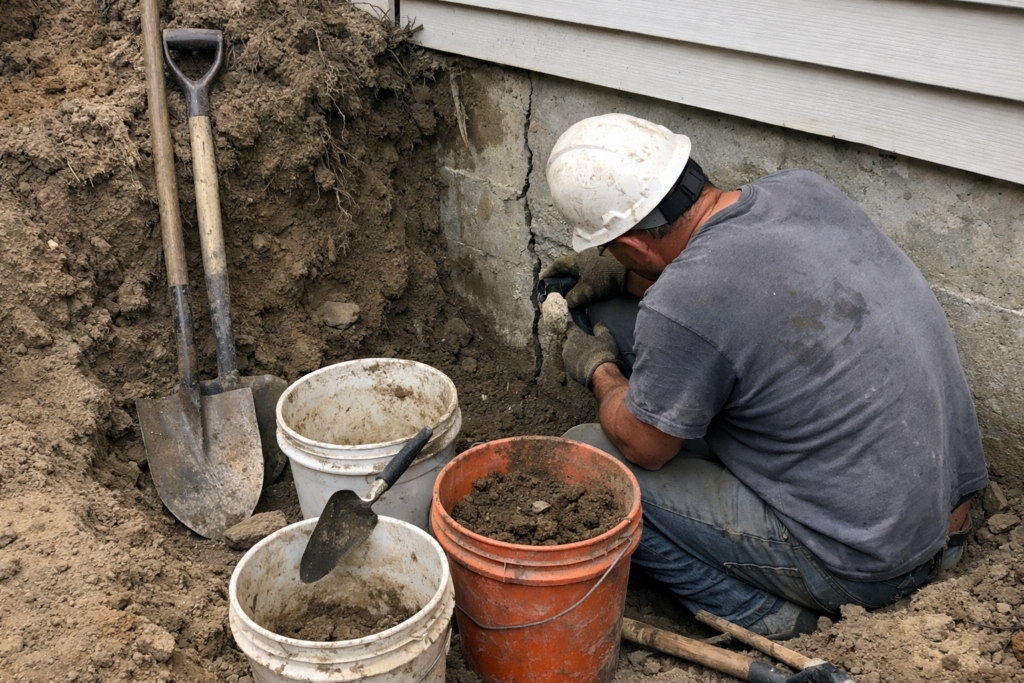
How Foundation Repair Contractors Generate High-Intent Leads
What kind of foundation repair jobs are actually worth taking? In the shop or on site, many foundation jobs look like big, urgent problems, but the real spend can be smaller once you peel back the details.
The challenge is spotting true structural trouble from misdiagnosed issues that waste weeks on a slow schedule and trigger callbacks. When a job is a real problem with a real budget, that leads to smoother days, fewer wasted trips, and fewer headaches.
The point is to keep the work grounded in what actually lasts, with honest estimates, steady communication, and a schedule that doesn't fall apart.
- Set up lead sources for settling and crack calls that are worth running
- Ask the foundation questions that save wasted site visits
- Spot foundation red flags before you start digging
- Stop giving free foundation opinions without commitment
- Follow up tight so foundation leads turn into scheduled inspections
- Summary
- FAQs
Set up lead sources for settling and crack calls that are worth running
In practice, leads come in with a mix of real problems and tire kickers, and the clock runs when crews are stretched between inspections, estimates, and scheduling that slips. A recent callback came from a homeowner who flagged a hairline crack and a slow drip, but a quick look showed the issue wasn’t a foundation problem and the lead died on the spot.
When real problems are filtered to true structural concerns with budgets that line up with the repair, the crew can move faster, avoid rework, and keep days from turning into long stretches of slow weeks. Misdiagnosis and unnecessary work push timelines, drain energy, and leave customers with inflated estimates and follow-ups that keep bouncing around.
Ask the foundation questions that save wasted site visits
People try to juggle a handful of leads, push quick numbers, and chase every tire kicker who mentions a crack in the foundation. It breaks down when conversations drift, follow-ups sit on a desk, and a real job slips from first visit to a second, third, or even a fourth trip while the diagnosis and budget keep shifting.
That pattern creates stress, a messy schedule, wasted estimates, and a string of callbacks and reschedules that drag into weeks. A clean path shows up as small, steady signals: one clear scope next to an honest timeline, consistent messaging, and a crew that shows up prepared with the details that matter on the first trip.
Spot foundation red flags before you start digging
When this part is handled cleanly, the plan stays simple and the crew can move from trench prep to underpinning work without detours. Communication stays short and concrete with a single point of contact and plain notes, so questions land in one call and don’t bounce around.
The schedule stays steady because handoffs align with the day’s window, the mud and debris are kept separate from clean areas, and the crew isn’t chasing changes. A concrete mini moment shows up in the field when the handoff from the office to the crew matches the written estimate, the site stays cleaner, and there are fewer callbacks about small changes.
Stop giving free foundation opinions without commitment
The pattern you miss is a misread from the start, where the diagnosis and the scope don’t line up with what the soil and footing actually need, and a sloppy handoff leaves the next crew chasing the missing details. That mistake costs time, energy, and schedule as you chase callbacks and rework, turning a small repair into a string of extra visits.
This went sideways when access to the work area was blocked in the morning, the crew waited, and miscommunication widened into a larger scope and a delayed day. Caught earlier next time looks like a cleaner handoff that aligns the real scope with what the job will actually require so everyone isn’t left guessing.
Follow up tight so foundation leads turn into scheduled inspections
What holds up over time on foundation work is clear standards, steady follow-through, and clean expectations that don’t wobble when a week throws noise. In real jobs, the difference shows in how teams manage handoffs and notes from the field to the office so the plan stays intact and inspections stay lined up.
A real moment in the trade might be the crew pausing to verify a temporary support adjustment after a soil change, then updating the plan so the next visit fits the actual need. A clear sign of stability is a calendar that stays on track with fewer reschedules.
Summary
Foundation leads aren’t “more” — they’re “better.” Qualify by symptoms, urgency, and decision-maker so visits aren’t wasted. Since rules and norms vary, you can skim the state notes here.
FAQs
Why do so many foundation inspections and quotes stall out with no decision?
Most stallouts happen when the scope shifts or the budget is unclear after an inspection. On real jobs you see it as back-and-forth, extra visits, rework on the same area, and clients chasing a clear yes.
Handled well, you get a tight scope, clear budget expectations, and a decision to move forward or pass once the facts are on the table.
What should I ask before I drive out for a foundation inspection?
Before you head out, you want to know what symptoms have shown up, roughly how long it's been going on, and whether there were past repairs that could affect the price. In real life that helps prune the trip if the issue is cosmetic or outside the footprint of actual structural work.
It also helps set expectations on what a quote might cover and whether the budget aligns with a repair. That mindset saves time and avoids chasing a misfit job during a slow week.
How do I say no to foundation jobs without losing good work?
Sometimes a site isn't a good fit because the problem is cosmetic, the budget won't cover the scope, or the timing clashes with other work. In real life you see it as a cautious pace, a slow quote, or a gentle pass backed by referrals.
Handled well means being honest about fit, offering alternatives if possible, and keeping the door open for future work when circumstances change. That keeps relationships intact and reduces wasted callbacks.
What’s the fastest way to improve lead quality for foundation repair?
Quality starts with the initial intake and filtering out the clearly cosmetic issues and budget misfits. In real life that means fewer low dollar inquiries and more conversations about real structural signals and budgets that can cover a repair.
Handled well, you get tighter pre qualification, quicker moves to close or pause, and less time spent chasing the wrong jobs.