
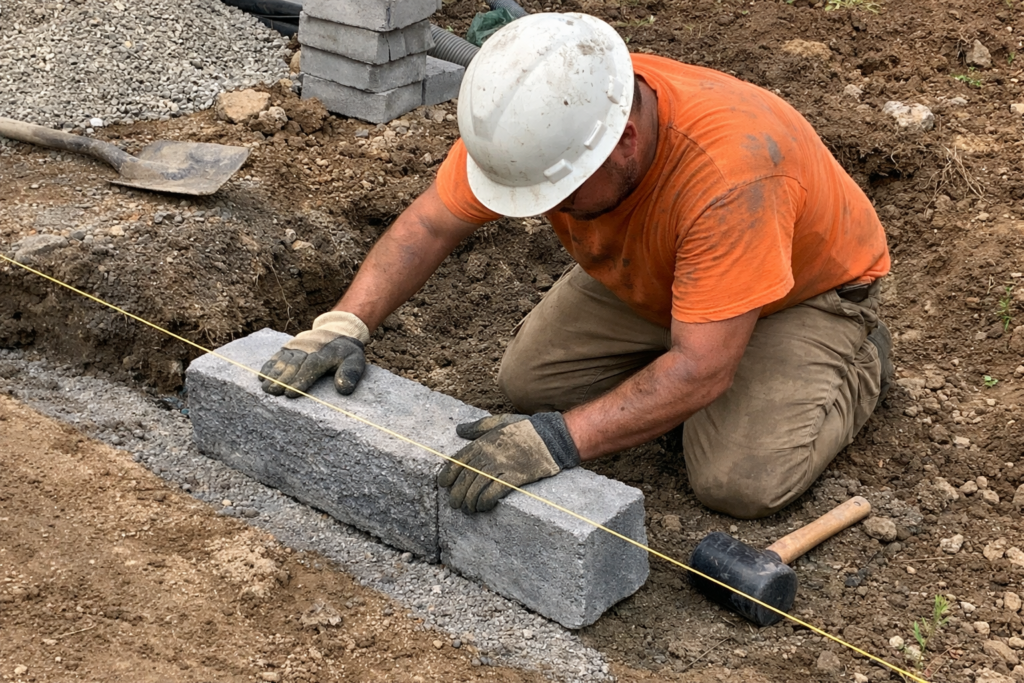
Retaining Wall Advertising That Attracts Serious Buyers
Is paying for retaining wall leads or ads worth it? Some weeks you see a flood of leads, but a lot of them end up being bad soil, poor access, or projects that drain time and mess with the schedule.
That mismatch means wasted field hours, rushed decisions, and more callbacks than you want. It's worth weighing whether the leads line up with what the crew can actually handle without piling on stress or chaos.
When the right kind of job comes in, the equipment stays ready, the crew knows what to expect, and the day moves smoother.
- Build retaining wall ads that bring serious property owners
- Make your wall ads specific so property owners understand the scope
- Control your service area and the wall jobs you accept
- Do not take wall work you cannot engineer and build safely
- Track which wall jobs bring profit and which ones bring problems
- Summary
- FAQs
Build retaining wall ads that bring serious property owners
On the jobsite the clock runs on weather windows and a crowded schedule, and the crew feels the pressure in missed calls and last minute reschedules. Soils shift after a rain, access gets tight, and a clean estimate becomes a moving target with extra field visits and callbacks.
One real moment shows a site visit being rescheduled after a rain, pushing the wall start into a thinner week. When it’s managed right, notes stay clear, crews adjust without chaos, and the day keeps moving with fewer phone interruptions and less wasted time on work that didn’t fit.
Make your wall ads specific so property owners understand the scope
People try to pull in work with ads that promise quick installs and big numbers, but in real life most retaining wall jobs show up with bad soil, limited access, or grades that fight the plan. That setup creates scattered attention and half finished follow through as crews chase the wrong jobs, the schedule fills with rechecks and reschedules, and estimates get wasted on unclear scope.
Missed calls and tire kickers show up during slow weeks, customers send mixed signals about what can actually be built, and things slip through the cracks. When a clean rhythm returns it looks like a solid project with clear site realities, straightforward communication about what the site can handle, and a schedule that holds through to backfill without the usual back and forth.
Control your service area and the wall jobs you accept
When the inquiries describe a real fit for a retaining wall, the schedule stays steady because conversations focus on wall type, site access, and drainage needs instead of vague promises. On site, the crew faces fewer surprises since bad soil or difficult access are screened out early and the handoff from front end to crew comes with a clear plan and layout.
A concrete mini moment is a smooth handoff when the team gets a clear set of measurements and elevation notes, the first day ends with neat string lines and a protected work zone, and waste is kept to a minimum. Fewer callbacks, smoother handoffs, and more predictable weeks come from work staying within scope, with estimates that move along and a job that finishes clean and orderly.
Do not take wall work you cannot engineer and build safely
Pattern you missed shows up when wall heights and drainage needs aren't nailed down before digging starts. That cost time, extra labor, and wasted energy as crews wait for instructions, rework errors, and chase answers.
this went sideways when the gate was left locked and the crew stood idle for a day, piling up hours and stress. Caught earlier next time would look like clearer input on access and a firmer read on wall height and drainage so the crew can move straight to work.
Track which wall jobs bring profit and which ones bring problems
On real jobs, the long game is the quiet discipline of consistent standards, clear follow-through, and reliable handoffs that hold up through good weeks and bad. A trade-real moment is when the crew rechecks grade and drainage alignment before any block work begins, choosing accuracy over speed.
Standards show up in how the crew logs decisions, communicates schedule changes, and keeps the plan visible to everyone on site. The result is a calendar that stays predictable, fewer blown days, and smoother closeouts even when soil is touchy and weather slips.
Summary
Retaining wall ads should never outpace your ability to answer, estimate, and schedule crews. Missed calls waste spend. If you’re curious how this differs locally, check the state picker.
FAQs
Why do paid retaining wall leads sometimes feel like shoppers with unrealistic expectations?
A lot of paid leads come from folks who are still shopping ideas, not locked into a scope or budget, so the inquiry carries big hopes but vague numbers. On real jobs that translates to vague descriptions, inflated expectations, and questions that imply it should be cheap or simple.
The result in the shop is wasted time chasing a moving target, callbacks that drag, and a schedule that's stressed by rework and re-quote requests. Handled well means the team quickly discerns fit from misfit, shares a realistic range when possible, and keeps the schedule clean by flagging non-viable leads early.
If I’m already booked, should I still advertise retaining walls?
Even when you're booked, interest for future work still shows up and you have options for the next month or season. On real jobs this shows up as people planning ahead or asking about what to expect when their project starts.
Handled well means you acknowledge the interest, set a realistic timing window, and keep the current crew moving without promising a start date. That way you stay in front of good fits without blowing the current schedule.
How fast should I respond to wall inquiries to win the estimate?
Speed matters because on good projects a fast reply keeps the buyer from shopping elsewhere. In the field you see inquiries pile up while the crew is tied up, and a slow response lets a prospect wander.
Handled well means a quick acknowledgement and either a rough range or a clear plan for the next step after a quick site check. That short window helps you win the estimate without wasting weeks and keeps the schedule from getting crowded with drawn-out back-and-forth.
What’s the biggest advertising mistake retaining wall contractors make?
The biggest misstep is trying to speak to every homeowner and promise a quick, cheap wall. That shows up as broad messaging that pulls in leads with unclear scope and budgets, wasting crew time.
In real life you end up reworking plans, chasing unfit projects, and spending more time on calls than on the actual install. Handled well means you attract buyers who understand the value, keep the scope tighter, and you land on site only after the fit is clear.