
Retaining Wall Contractor Marketing Playbook (2026)
How do retaining wall companies keep projects coming in? In everyday work, it comes down to solid engineering, attention to drainage, and walls that stay stable even when the grade shifts or weather bites.
Busy weeks, slow weeks, and the nagging feel of a late change order or a reschedule can throw a plan off, so clear communication and honest, accurate bids help keep things moving. When the basics are right, footing is checked, drainage stays away from the footing, and the job is documented so homeowners understand what to expect, the work tends to go a bit smoother, even on tough sites.
- Build retaining wall marketing that sells safety and curb appeal
- Stop random marketing and sell retaining walls as safety and value
- Turn retaining wall jobs into repeat property work
- Learn from the wall jobs that turned into drainage problems
- Double down on retaining wall marketing that lands better projects
- Summary
- FAQs
Build retaining wall marketing that sells safety and curb appeal
In this line of work the job isn’t just digging and stacking concrete, it hinges on grade, drainage, and how weather will bend a schedule. Miscommunications, missed details, and slow weeks pile up into extra calls and wasted estimates that drain time and energy.
A reschedule shows up when a drainage detail turns out deeper than expected and the crew has to shift days while checking the footing and stability. When it’s handled right the focus stays on engineering, drainage performance, and wall stability with clear steady communication that keeps expectations grounded.
Stop random marketing and sell retaining walls as safety and value
People try to keep projects going by juggling calls, tire kickers, and quick quotes, grabbing whatever looks like a job. But real life trips them up when drainage issues, soil conditions, and engineering notes pop up, and follow through stays half done or gets tangled in mixed signals.
That pattern turns into stress, a crowded or late schedule, wasted estimates, and a cascade of callbacks and reschedules as things slip through the cracks. When it lands cleanly, communication stays steady, the scope matches the plan, and the job sits on the calendar with a clear path from design through install.
Turn retaining wall jobs into repeat property work
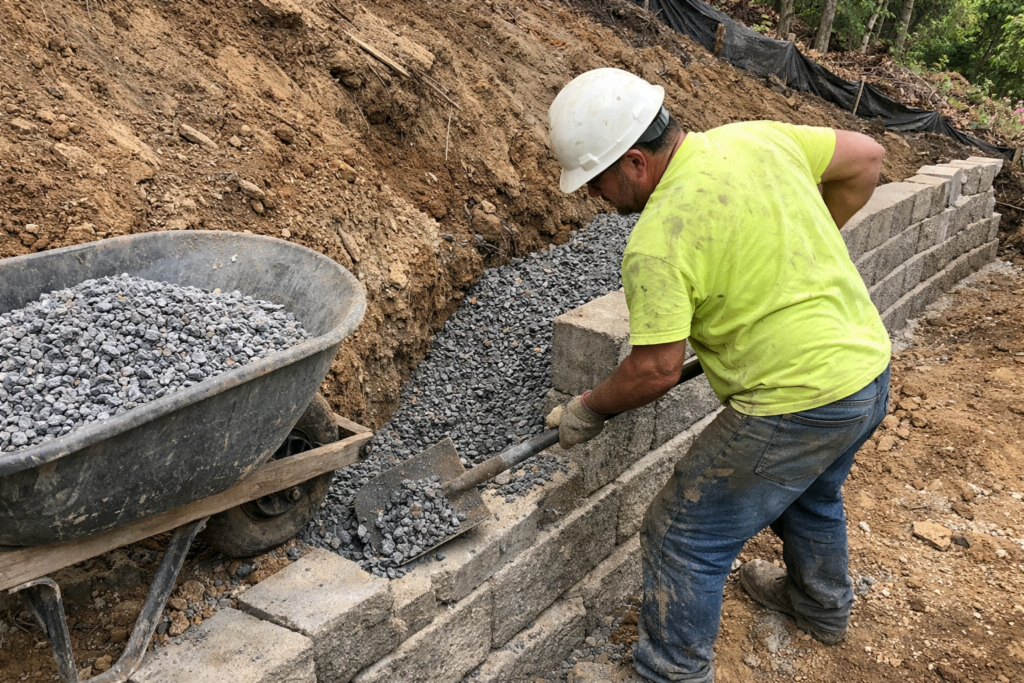
A clean run shows up with a clear scope for trench depth, drainage, and backfill, and the job site stays tidy from start to finish. Communication stays simple because the foreman confirms today's tasks and what comes next, keeping the schedule steady even when soil and weather push back.
Handoffs flow smoother as forms come off clean and the wall sits true to grade, so backfill, drainage, and turf install line up without surprises. A mini moment is a smoother handoff to the finishing crew after the wall is set, the estimate lands and is approved the same week, and the site is left clean with no callbacks.
Learn from the wall jobs that turned into drainage problems
This pattern shows up when a job starts with a rough agreement and the drainage and grading details get shuffled, so wrong elevations and unseen water paths sneak in. The result is wasted time, surprise callbacks, and crews waiting for a fix that should have been clear from the first pass.
this went sideways when the trench filled with rainwater and the team found unexpected soil cohesion, driving a swing in schedule and a bloated estimate. When someone flags the drainage questions early, you get clearer alignment between digging, backfill, and the wall, fewer backtracks, and a smoother handoff that feels grounded and steady.
Double down on retaining wall marketing that lands better projects
On real jobs, keeping stability means sticking to solid engineering standards, accurate drainage details, and reliable backfill sequencing that doesn't drift. What stays true month to month is clear expectations, defined roles, and steady follow-through from kickoff to closeout.
A trade-real moment comes when the crew pauses to confirm slope, drainage paths, and wall alignment before the pour, so a small decision doesn't snowball. That steady approach shows up as fewer callbacks, fewer blown days, and smoother handoffs as the project moves through cycles of busy weeks and slow weeks.
Summary
Keep retaining wall marketing simple: sell safety and value, set scope, and protect the calendar with standards. Since rules and norms vary, you can skim the state notes here.
FAQs
Why do retaining wall requests come in waves instead of steady work?
Waves happen because weather, material readiness, and when clients decide to move a project determine when a wall actually goes in. On real jobs that show up as weeks with several estimates and calls, then slow times where nothing is locked in.
Handled well, the crew stays productive by keeping a few upcoming scopes clear and holding a realistic schedule so a busy week doesn't throw the whole week off. It comes down to being ready for the next window and not letting past cycles drift out of sight.
How long does it take for retaining wall work to feel more steady?
It can take a season or two for that wave rhythm to settle into something you can rely on. As you pick up repeat work, referrals, and a few solid clients, the pace tends to smooth out.
On job sites you’ll see fewer last minute changes, more accurate estimates, and longer blocks where you can plan ahead. You start to feel it after a couple cycles of steady inquiries and jobs that stay on the books.
Can retaining wall contractors stay booked without chasing new calls nonstop?
Staying booked without nonstop chasing comes from a mix of durable referrals and repeat clients that keep the calendar full. In real life that means a few long running projects at a time and enough smaller jobs lined up to fill gaps when weather or lead times swing.
Handled well, you keep the crew moving by clear scopes, steady change orders, and quick responses so rework stays down. It’s not about chasing every new call; it’s about letting the existing relationships do some of the work while you keep a practical pace.
What’s the biggest mistake retaining wall contractors make that keeps work unstable?
The biggest mistake is treating work as isolated jobs instead of tying in the engineering, drainage, and stability needs that show up again and again. On real sites that leads to rework, late changes, and callbacks when the wall doesn't perform as the site requires.
Handled well, the project shows up with a solid plan that matches the site, clear drainage, and a stable structure, with less back-and-forth. That outcome comes from thinking about how the wall will behave over time, not just what the next job pays.