
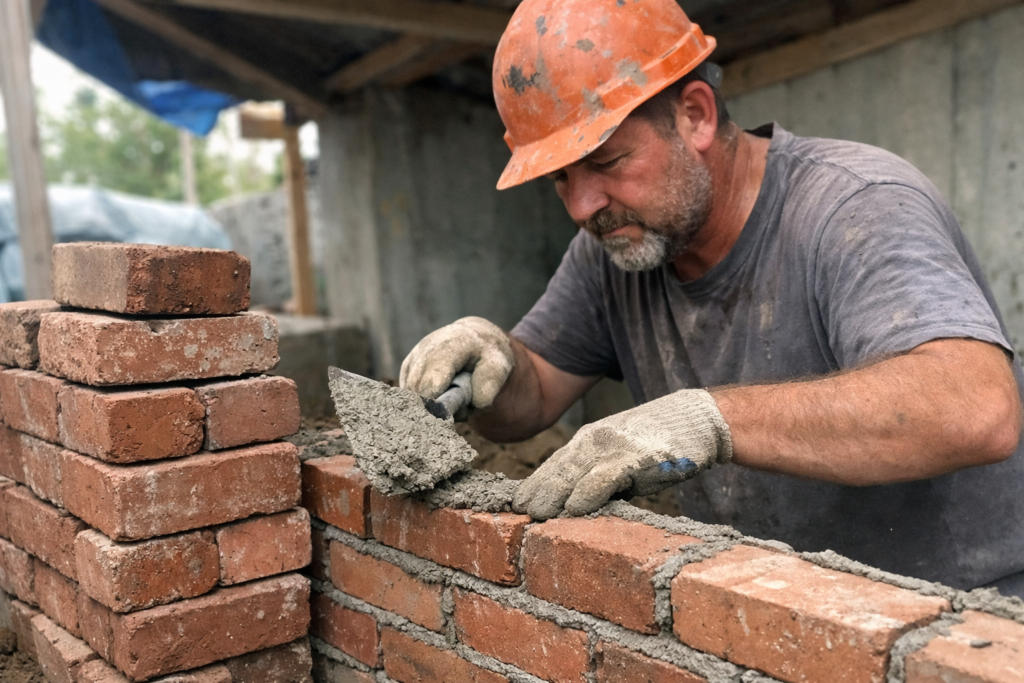
How Masonry Contractors Can Book More Jobs
If your masonry business suddenly got busier, what would break first? When the pace climbs, the schedule starts showing cracks and small delays spiral into days of chaos.
Estimates get questioned, crews run late, and callbacks stack up because communication slips as the day gets busier. Sticking to pacing and precision helps keep workmanship high even when the jobs pile on.
It stays rooted in real weeks and the everyday choices crews face, not hype.
- Build a pipeline that keeps your masonry crew booked and moving
- Tighten estimating and job standards before adding volume
- Protect your crew and schedule when access is tight
- Price masonry jobs so you are not rushing layout and finish
- Keep what brings masonry calls and remove what does not convert
- Summary
- FAQs
Build a pipeline that keeps your masonry crew booked and moving
When the crew is stretched thin and the schedule is tight, small delays show up as big questions on the jobsite. Missed calls, misread plans, and slow weeks pile up, turning neat brickwork into rework that costs time and money.
A real moment pops when a callback comes in to fix a small mortar color mismatch after a first pass, forcing a restart on the schedule and eating the buffer. Handled right, it stays about pacing and precision, with clear talk, accurate estimates, and a plan that keeps walls straight and crews moving without grinding to a halt.
Tighten estimating and job standards before adding volume
Masonry crews try to take on more brickwork and bigger jobs while using the same loose estimates and vague commitments. That pattern breaks because attention gets scattered, follow through stays half done, and people chase the wrong jobs as schedules slip and weather or access issues pop up.
The result shows up in messy schedules, wasted estimates that miss real work, and callbacks when a homeowner adds a garden wall to a chimney project, pulling in extra days. When it lands cleanly a crew can finish a chimney and veneer wall with clear scopes and steady communication that keeps the house calm and the job on track.
Protect your crew and schedule when access is tight
When this part of the work is handled cleanly, the crew moves with a steady rhythm, deliveries line up with the day needs, and the wall goes in true without last minute changes throwing off the cadence. Early on the scope and details stay tight so rough ins and brick sizes are understood by everyone, which keeps surprises from piling up later.
A concrete mini moment shows a smoother handoff to cleanup as the last course goes in, bricks are left neat and tools are put away without scrambling, and an estimate lands without dragging and the client signs off cleanly. The result is fewer callbacks and smoother handoffs, and more repeat work from customers who value a calm, steady pace on a masonry project.
Price masonry jobs so you are not rushing layout and finish
Masonry jobs waste time fast when scope slips after the quote and handoffs blur what matters on the job. The plan looked fine at first, this went sideways when the arch was tight and the markups didn’t show brick size, so the crew waited while the foreman chased down the missing detail.
Pattern you missed was loose handoffs and scope creep turning into a drift in what was tolerated, and the cost was wasted time, extra trips, and a delayed finish. When those slips are caught earlier, the notes stay clear, the crew is aligned on the line, and the wall finishes without the last minute scramble.
Keep what brings masonry calls and remove what does not convert
On real masonry jobs, standards kept, follow-through, and clean expectations are what stay true month after month. That means treating tolerances as non-negotiable and documenting the small changes so they don't spin into bigger rework later.
A trade-real moment comes when a bricklayer notices a header line drifting and pauses to recheck the string before the next course, keeping the wall true. A concrete signal of stability shows in a predictable calendar, fewer callbacks, and smoother handoffs at closeout.
Summary
More masonry jobs only helps if quality stays high under load. Fix the bottleneck, then add volume. Since rules and norms vary, you can skim the state notes here.
FAQs
Why does getting busier with masonry sometimes hurt profit through access issues and rework?
Why it happens: when the job load grows, site access gets tight and setup time grows. What it looks like in real life: crews squabble for space, material staging blocks flow, and small glitches become rework that drags the schedule.
What handled well looks like: a steadier pace keeps joints consistent and reduces shortcuts, which saves time on backtracking and keeps the quote from ballooning. The result is steadier margins even as the workload increases.
How do I avoid bad masonry jobs when I still need the work?
Why it happens: pressure to fill the calendar leads to taking jobs that aren’t a good fit or lack clear scope. What it looks like in real life: drawings shift, costs drift, and the crew ends up chasing miscommunications, which means rework and tougher calls with customers.
What handled well looks like: there is real talk about what's possible, the scope is respected, and you leave room for variables in your numbers; the job starts with something you can stand behind and you avoid big surprises later.
What should I standardize first to handle more masonry volume?
Why it happens: as volume grows, expectations must line up across crews. What it looks like: joints, tolerances, material handling, and paperwork match across jobs, so crews know what to expect.
What handled well looks like: a few core routines become second nature, fewer questions about how things go, and a smoother handoff from estimation to field work.
How do I grow a masonry business without hiring too fast?
Why it happens: demand can spike and you want more hands, but hiring too fast hurts quality and schedule. What it looks like: you see longer days, rougher coordination, and more callbacks when you stretch the crew too thin.
What handled well looks like: you keep core crew tight, bring in trusted subs or short term help during peaks, and keep a close eye on fit with the work you already have. You maintain your standards even as volume grows.