
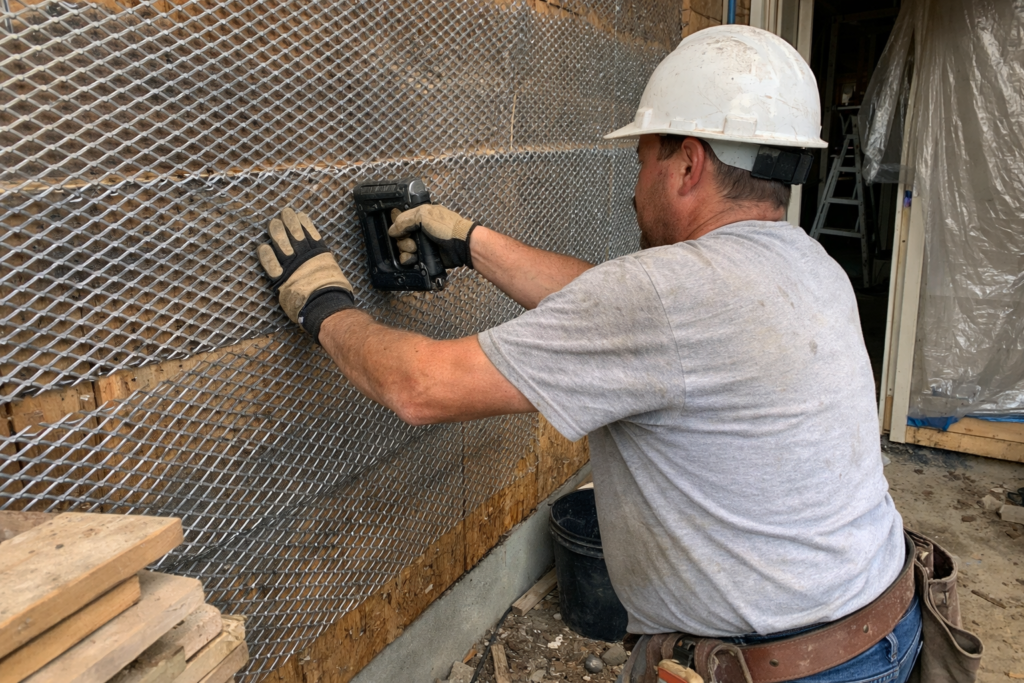
How Stucco Contractors Can Win More Jobs
If your stucco business suddenly got busier, what would break first? When the pace climbs, keeping curing schedules intact is the first thing that can slip.
Bad estimates and missed followups bite back, with callbacks and reschedules piling up and days getting pushed late. That stress shows up even on slow weeks when a little extra work turns into a scramble to stay on track.
Staying steady comes from keeping things simple, being honest about what fits the crew, and avoiding the trap of piling too much at once.
Create a steady flow of stucco jobs without chasing every bid
A routine week can get tangled when a porch crack pops up for a quick fix, rain pushes curing times, and the crew gets pulled to handle a late issue instead of moving to the next job. That gap shows up as callbacks, slow weeks, and an inbox full of revised estimates and recheck notes on what was supposed to be finished.
When the schedule loosens, a small patch or texture match becomes a bad fit for the plan, and rework eats time and eats margins, like a reschedule call that slips into a Sunday. When it’s done right, curing schedules stay in view, the crew has a clear slot for the next responsibility, and homeowners hear what to expect so the next visit is efficient.
Raise prep and finish standards before you add more volume
In real life folks in stucco see more work and push for a bigger week by moving through estimates faster and stacking jobs. Yet attention splinters, crews bounce between sites, and follow-through lands half done as everyone chases the next start date.
That leads to messy schedules, missed drying windows, reschedules, callbacks, wasted estimates, and mixed signals to customers. When it goes clean it shows up as steady crews with clear handoffs, honest timeframes, consistent messages, and a pace that keeps the job on track even when the weather or small delays pop up.
Protect your crew and schedule when curing time matters
When curing time is managed cleanly the base coat and finish crew move in on a shared clock so the next phase lands as planned. The handoff on site is simple, with one sheet showing cure days weather notes and who signs off, so a rookie or a substitute can slide in without questions.
The schedule stays steadier because tasks stay in their proper order and a patch doesnt turn into a rework that drags into the following week. A mini moment: the finishing crew arrives to a neat jobsite, a clear cure schedule taped to the scaffold, and an estimate that moves forward without a long back-and-forth.
The outcome is less chaos, fewer callbacks, and clearer expectations across the crew.
Price stucco jobs so you are not skipping prep and coats
The pattern you miss is letting prep and coats drift apart from the main plan, so walls sit waiting while the rest of the job moves on. That hits the crew with wasted days, extra trips for fixes, and a calendar full of empty spots that swallow margin and money.
This went sideways when a backer rod shortfall and a sudden access block slowed the first wall, dragging the whole job into a long lull. Caught earlier next time would look like the schedule treating prep and coat as a single beat, with clear expectations about access and cure time so the crew can move straight through without waiting.
Keep what brings stucco jobs and cut what wastes time
On real jobs, sticking to curing schedules and clear handoffs keeps the crew steady even when a week shifts pace. Standards show up as clear expectations, consistent scheduling, and a shared plan for moisture and finish, so nothing sneaks past the crew.
A trade-real moment is a mid-project check-in to confirm moisture timing and cure days, so small rework stays rare. That discipline shows up as fewer blown days.
Summary
More stucco jobs only helps if prep, curing, and finish standards hold. Fix the bottleneck first. Since rules and norms vary, you can skim the state notes here.
FAQs
Why does a fuller stucco schedule sometimes mean less profit because prep gets rushed?
A fuller schedule can push prep to the back burner because the crew is chasing deadlines and more work. That shows up on the wall as rough corners, thin patches, and dirt left in joints that later has to be fixed.
Handled well, prep gets treated as its own time with clear expectations and a shared baseline, so the team isn’t guessing. The result is a consistent finish and fewer callbacks once the coats go on.
How do I avoid bad stucco jobs when I still need work?
When the shop needs work, it's tempting to grab whatever comes along, even if it isn't a fit. That tends to show up as mismatched material, busywork on rough prep, and a lot of rework that eats into time and money.
Handled well, you focus on jobs that match the crew's strengths and you set clear, realistic expectations before the work starts. Result is fewer surprises, less wasted time, and work you can finish on schedule without burning out.
What should I standardize first to handle more stucco volume?
To handle more volume, the first thing to standardize is how you prep and lay out a job so the crew doesn’t guess at each corner. On real jobs that means consistent prep depth, consistent joint lines, and a predictable order so finish coats line up.
Handled well, you have a crew that knows what to expect, a set rhythm, and fewer minutes wasted chasing down missing details. That kind of consistency lets you take on more work without doubling the drama in the schedule.
How do I grow a stucco business without hiring too fast?
Growing without hiring too fast comes from making better use of the crew you have and keeping the schedule realistic. In real life that means you line up jobs with a pace the crew can handle, and you resist taking on work that overbooks the calendar.
Handled well, you add repeat customers, smooth projects, and a steady rhythm where each job fits the crew's capacity. The result is more stable weeks, less stress, and a way to grow that doesn't rely on rushing hires.