
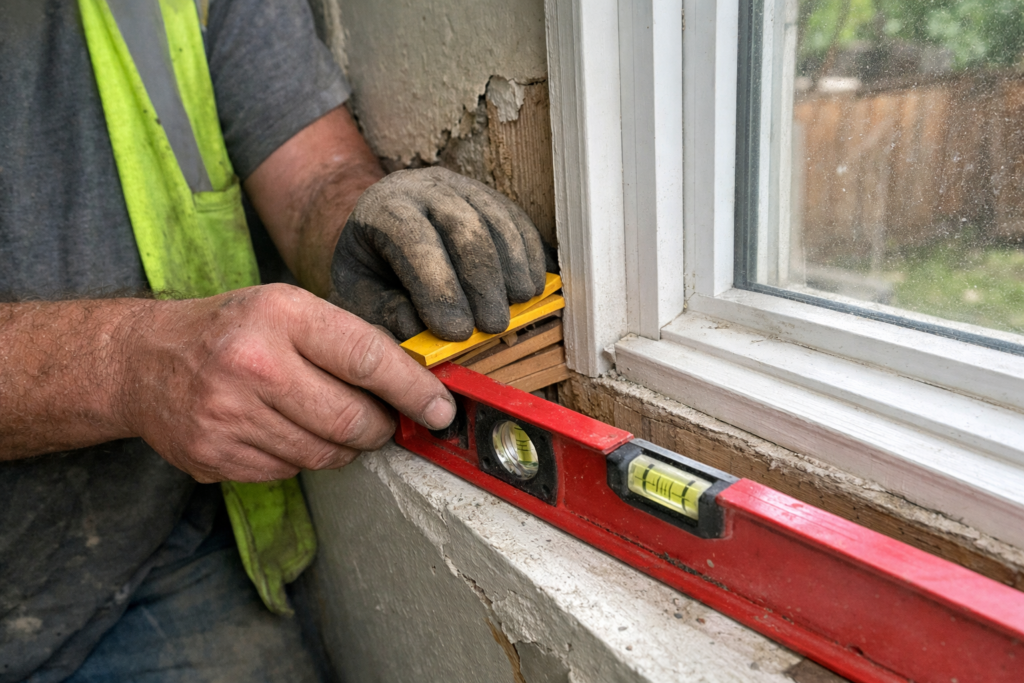
How Window Installers Generate High-Intent Replacement Leads
What kind of window jobs are actually worth taking? Experienced crews see patterns where some projects eat time with bad frames, rushed decisions, and schedules that slip.
They watch for wasted trips, remeasure headaches, and the kind of job that spirals into callbacks and slow weeks. The goal is to pick replacements that stay on track and meet the standard without chaos.
In real life, that means focusing on leads that show solid frames, clear scope, and a realistic timeline so things tend to run smoother even when the week is busy.
Set up lead sources for window replacement consultations
Lead flow for window work is a mix of tire-kickers, slow weeks, and an inbox that stacks up with replacement questions. A lot of inquiries go sideways when the opening is off, the frame is rotten, or a quick job turns into a rush that drags the crew and blows the schedule.
When it is handled right, the true fit shows up early, the scope stays clear, and the crew keeps a steady rhythm with fewer callbacks and wasted visits. One real moment is a callback about a small kitchen window that sounded simple on the phone, but the frame is rotten and the plan has to shift.
Ask window questions that stop wasted in home estimates
Window crews chase a mix of tire kickers, missed calls, and quick in home estimates, trying to turn every inquiry into a job. But attention gets scattered, follow ups stall, and customers keep giving mixed signals about sizes, styles, and timing.
That pattern turns into stress on the schedule, a backlog of callbacks and reschedules, and wasted estimates that never actually get started. When it's done cleanly, there are clear notes, steady scheduling, and decisions that stay aligned with what the customer wants, with fewer slips through the cracks.
Spot window red flags before measurement mistakes cost you
When this part is handled cleanly, the crew arrives with a clear scope, measurement notes in hand, and the job site set up so the first window goes in with a steady rhythm. Communication stays simple because fit and timing are understood by everyone, reducing back and forth and preventing schedule slips.
A mini moment shows up at the handoff between measurement and install when the estimate lands quickly and the site stays clean, with no surprise changes. That steadiness reduces wasted time on wrong fits, cuts down callbacks, and leaves weeks moving more smoothly with the right kind of customers.
Stop giving free window consults without a clear next step
The pattern you missed shows up when a rush estimate slips into a vague scope and the crew walks into a mismeasured opening. this went sideways when the opening is listed as 80 by 40 but the framing is 79 by 41 and the site blocks access, leaving the crew waiting and the schedule blown.
Cost shows up as wasted hours, extra trips, and a cascade of callbacks that eats margins and leaves everyone drained. what caught earlier next time looks like a clearer picture of what is really there and a handoff that spells out access, sizes, and what can actually fit, with nothing left to guess.
Follow up consistently so window leads do not stall
What stays true on real jobs is a steady rhythm of standards and follow-through that the crew can rely on. When expectations are set and kept—from confirming measurements to keeping the site clean—the schedule stays intact and handoffs feel effortless.
A trade-real moment might be a quick, calm correction when a window opening doesn't line up with the rough opening, handled before trim and finish so the crew can press on. That steadiness shows up as a calendar that stays predictable, fewer blown days, and smoother transitions between stages.
Summary
Window leads aren’t “more” — they’re “better.” Qualify by budget and decision-maker so you stop doing free consult loops. Since rules and norms vary, you can skim the state notes here.
FAQs
Why do so many window estimates go nowhere after the consult?
Why it happens often comes down to misalignment or timing. On real jobs, a consult can end with a loose sense of price, a promise of 'maybe later,' and a calendar gap that never closes, so the follow-up never lands.
You end up chasing stale estimates, rework starts, and the calendar looks muddy with no decisions. When it's handled well, the next step is clear and timely, the customer commits to a date or a budget, and you book a real appointment instead of wasting time on promises.
What should I ask before I drive out for a window estimate?
Before you roll, you want to know what the buyer actually needs and what the site can support, so you don't waste a drive. On real jobs, calls with vague questions end up with you walking into rooms where things don't fit or won't be easy to install.
In practice, when the caller can name rough opening sizes, current frame conditions, and a target budget, you can size up the job without a surprise on site. Handled well, the call sets expectations, you confirm a rough window and a target budget, and you leave with a clear sense of whether you should go or not.
How do I say no to window jobs without losing good work?
Sometimes the numbers don't pencil out or the site isn't a fit, and that honest no saves everyone a wasted trip. In real life, pushing forward anyway creates callbacks, rework, and a stressed schedule for the crew.
Handled well means you're direct but respectful, you name the mismatch clearly, and you leave room for work later when the fit is right. That keeps the relationship intact and avoids burning bridges with a good lead.
What’s the fastest way to improve lead quality for window installation?
Quality leads aren't magic; they come from weeding out the wrong fit before the truck rolls. On real jobs, you see it when the call has clear specs, a rough timeline, and a budget, so the first visit isn't a waste.
Handled well means the inquiry naturally narrows to installs you can actually win and do cleanly, not ones that drag out. That keeps the schedule from getting jumbled and keeps crews focused on the right jobs.