
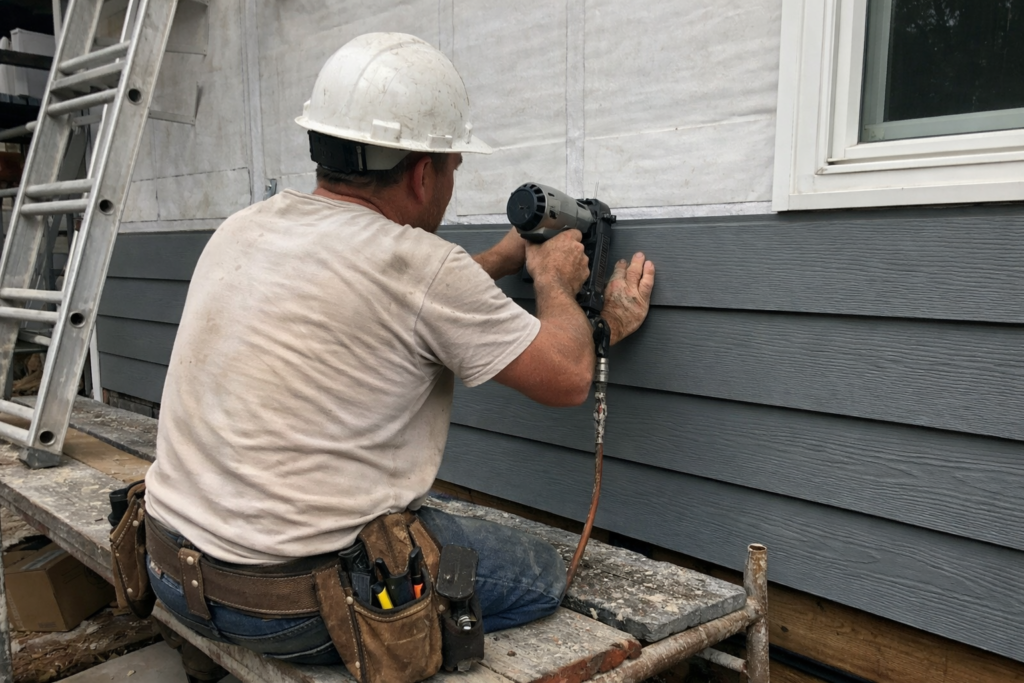
How Siding Contractors Can Win More Jobs
If your siding business suddenly got busier, what would break first? When the phones start ringing and crews juggle tighter schedules, the risk shows up in rushed measurements and messy handoffs between crews.
Busy weeks can turn into chaos if a big change order slips through or lead times for materials stretch the plan. Instead of rushing installs, the focus stays on quality control to keep things from slipping and to reduce callbacks.
In a world where things stay simple and the pace ebbs and flows, more jobs can stay on track without burning out.
- Create a system that keeps your siding schedule booked steadily
- Raise install and communication standards before increasing volume
- Protect your crew and schedule when installs run long
- Price siding jobs so you are not cutting flashing and prep
- Keep what brings siding calls and cut what attracts bad fits
- Summary
- FAQs
Create a system that keeps your siding schedule booked steadily
In siding work the schedule never stays neat, and the clock on a crew calendar gets tight when weather windows shrink and callbacks stack up. A miscommunication about scope or a paint color shift can ripple through the week, leaving a crew idle and wasting time looping back for clarifications.
When it’s handled right the team keeps tight checks on measurements, aligns what’s promised with what goes on the wall, and finishes with clean lines and solid work instead of rushed patches. One morning a crew rolls up to a job and discovers a bad fit in the corner trim that means rescheduling and a parts hold, a small moment that can throw off the whole day.
Raise install and communication standards before increasing volume
People try to pack in more jobs by chasing whatever looks calendar friendly, and they ride rough estimates hoping to cash in a busier season. But the moment the clock slips on one roof or the weather turns, the plan falls apart: crews drift between houses, paperwork gets shuffled, and follow through stops at the first snag.
It turns into stress, messy schedules, and a backlog of callbacks and reschedules, plus estimates that wander from one figure to another and never settle. When things are handled cleanly, you see clear handoffs, steady follow through on measurements and orders, and firm signals to customers, so the install timing stays intact and people know where things stand.
This feels real to siding work — a workload piling up in a few weeks, trucks showing up with the wrong siding, or a morning call about a weather delay, and you lament the mix of who said what and when.
Protect your crew and schedule when installs run long
In a cleanly run siding install the crew arrives with a clear plan, materials organized, and the work area kept tidy so neighbors notice less noise and mess. Communication stays simple with one point of contact for changes and a straight daily note, so the schedule holds steady and avoids last minute reschedules.
Early on the crew locks in alignment on flashing and starter strips, then keeps the rhythm through the runs so later steps stay on track and fewer callbacks show up. A concrete moment shows a smooth handoff when the last board goes up on a wall, the foreman passes a compact summary of the work to the office and the client signs off the same afternoon, with no extra site visits or back-and-forth.
Price siding jobs so you are not cutting flashing and prep
Missed scope checks let small changes drift into big delays, and the handoffs between crews end up muddy. That quietly costs time, money, and sanity as wasted trips, rework, and callbacks stack up when flashing or trim notes don't match the reality on the wall.
this went sideways when a real site snag popped up, access got blocked, and the crew waited while the customer recalibrated the plan. Caught earlier next time would look like a clearer scope picture before work starts and a smoother handoff so crews can keep moving.
Keep what brings siding calls and cut what attracts bad fits
Clear standards hold up on real siding jobs, guiding how joints meet and how panels are aligned at corners. Follow-through means consistent expectations and deliberate check-ins that keep crews on the same page before a row of siding goes up.
A trade-real moment often shows up when a panel sits slightly off line and the crew pauses to verify and adjust rather than forcing the fit. Over months this steadiness makes the calendar stay predictable, reduces last-minute reschedules, and smooths handoffs between crews.
Summary
More siding jobs only helps if install quality stays high. Fix the bottleneck, then add volume. If you want to see how it plays out where you are, take a quick look at your state.
FAQs
Why does a busier siding schedule sometimes make profit worse with surprises and rework?
Busy weeks push the schedule hard, and that extra pressure makes profits look thinner when surprises show up. A small change or a miscalculation can cascade into rework, overtime, or shutdowns that eat into margins you counted on.
In real jobs you see callbacks for fixes, parts on backorder, and crews waiting on decisions, all of which add wasted time. When things are handled well, you keep a little buffer for the unknown, and the crew has room to finish cleanly without rushing, so profit losses from rework stay smaller.
How do I avoid bad siding jobs when I still need work?
Bad jobs tend to show up when the fit is off and expectations are unclear, especially when the load of work is tight. On real jobs you see bids that drift and customers ask for changes after the crew is set, which leads to headaches.
Even if you need work, you end up paying for misalignment in the form of callbacks and rework. A solid approach looks like clear talk up front about scope and fit, so you don’t gamble on jobs that don’t match what you can deliver.
What should I standardize first to handle more siding volume?
When the work stacks up, you notice the small, inconsistent things slow you down. On real jobs, misaligned quotes, mismatched material lists, and mixed crew routines show up as wasted time and rework.
Handled well, the work has a common language for pricing, a single way the crew reads a site, and a predictable flow that keeps installs moving without surprise stops.
How do I grow a siding business without hiring too fast?
Growing without overloading the install schedule means watching capacity as you take on more work. You see weeks where more jobs mean longer waits for slots, and the team ends up juggling, which eats into quality and timeliness.
When grown thoughtfully, you keep the same quality bar, let hires come in only when they fit a proven rhythm, and you stay clear about what the crew can handle without burning them out. It shows up as steady pace, fewer callbacks, and a schedule you can trust rather than a race to fill gaps.