
Siding Advertising That Attracts High-Quality Homeowners
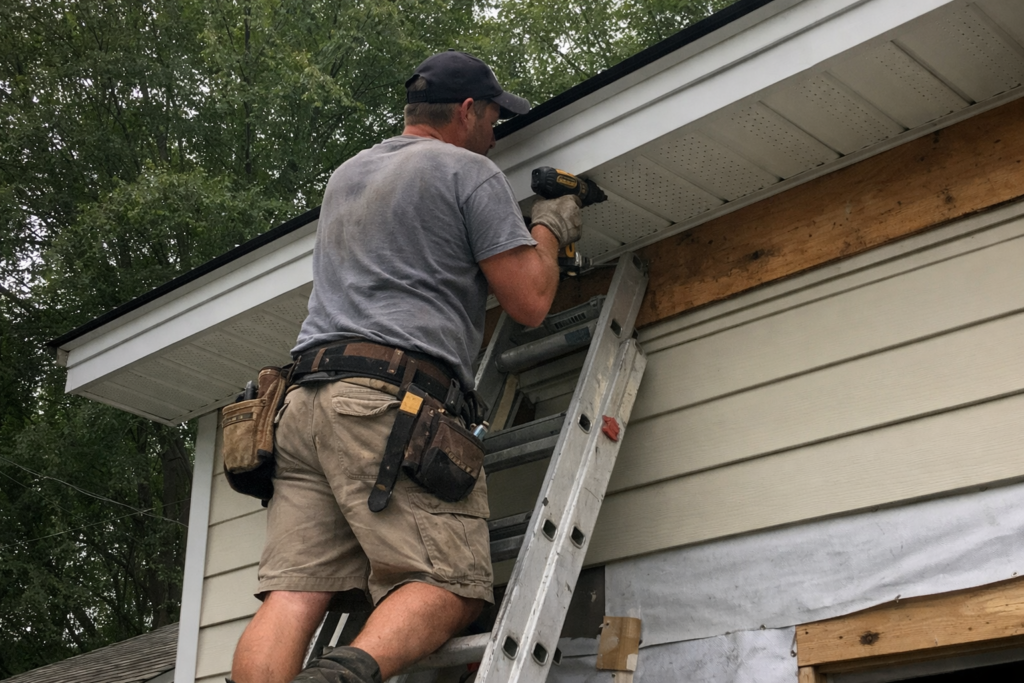
Keeping install slots aligned with your crew size helps you move through a busy week without chaos. When the schedule fits the crew’s capacity, calls and jobs stay on track and you avoid delays.
Build siding ads that attract homeowners ready to invest
Siding work runs on a tight clock, with a real crew on site and install slots booked, and any delay can throw the week into a skid. Missed calls, false starts, and reschedules pile up, and a small mismatch between homeowner expectations and what the crew can deliver quickly becomes a problem for the job and the shop.
When the install slots line up with the crew size and scope, the work tends to stay on track, weather windows cooperate, and what would have spiraled into extra trips stays contained. The reality is crews get stretched, slow weeks happen, and honest plain talk about availability keeps the schedule from turning into a loop of miscommunications and wasted estimates.
Make your siding ads plain so homeowners take the next step
What you see a lot is crews chasing a flood of inquiries, hoping to fill install slots with quick wins. A real moment pops when a tire kicker asks for numbers over the phone, a site visit gets promised and then postponed, and the calendar starts showing gaps.
That pattern turns into stress, late starts, callbacks and reschedules, and estimates that stay half finished as the scope keeps shifting. When it stays clean, there’s a steady line from first contact to site work, one clear point of contact who runs timing and crews are matched to the right sized jobs with consistent messaging.
Control your service area and the siding work you take
When the install slot lines up with the crew size and the scope, the day runs with fewer start delays and calmer crews. Communication stays simple because the foreman moves through the site with a clear plan that mirrors what the homeowner expects from first contact to finish.
A concrete mini moment happens at handoff when the lead reviews the scope, the crew moves in, the site stays clean, and the estimate for any change order doesn’t drag. That steadiness keeps callbacks down, the schedule steady, and the job ends with a tidy site and a smooth handoff to the next phase.
Do not take siding work you cannot install cleanly
The pattern you missed is access surprises and last minute scope changes that blow install slots and leave crews waiting. This pattern exposes the moment, 'this went sideways', when a two man crew shows up and finds the house has no practical path for siding and the count doesn't match the material on site, turning a half day into a scramble.
It costs time, money, and energy as the schedule slips, overtime creeps in, and the estimate looks off after rework. Caught earlier next time looks like a cleaner handoff and a day that fits the crew size and slot, with clearer checks on access and counts so there are fewer surprises.
Track which siding jobs pay best with the least drama
What stays steady on real siding jobs is clear standards for start times, clean handoffs, and keeping to install slots with a predictable crew size. When the foreman communicates delays and the team sticks to the agreed schedule, the work flows with fewer surprises through good weeks and bad.
A trade-real moment is when a crew hits a weather gap and keeps the same five people on the project, reordering the sequence so everyone knows what comes next rather than reshuffling. A small signal of stability is fewer callbacks and smoother handoffs at closeout, with the calendar staying predictable from week to week.
Summary
Siding ads should never outpace your ability to answer and book estimates. If you miss calls, you paid for nothing. If you’re curious how this differs locally, check the state picker.
FAQs
Why do paid siding leads sometimes feel unqualified or only hunting a low price?
That happens when the lead comes in with price as the main goal, since many homeowners are shopping around and not sure what the job actually costs or needs. In real life you see vague expectations, a string of callbacks, and bids that shift as the scope gets clarified or budgets tighten.
Handled well means the conversation stays focused on fit and you can move toward a real site look without chasing a low bid. Even on busy weeks you save time by cutting through the noise and avoiding jobs that aren’t a good match for the crew.
If I’m already busy, should I still advertise siding jobs?
Even when the calendar is full, keeping a flow of inquiries helps you avoid slow spells and protect the schedule. Real life shows that a steady stream keeps crews from sitting idle when a project ends and a weather delay stretches work.
Handled well means you keep visibility in place enough to fill gaps without taking on the wrong fits or dragging the schedule. That balance keeps crews paid and the shop moving without backlogs piling up.
How fast should I respond to siding inquiries to win the estimate?
Response time is a real factor because homeowners compare options and a slow reply can push the estimate to someone else. On busy jobs you see estimates dragged by delays in getting a crew out to look, which wastes time and makes the schedule look bumpy.
Handled well means a prompt, clear acknowledgement and a realistic sense of when a visit can happen. Fast but honest communication keeps the calendar tight and reduces back and forth that eats days.
What’s the biggest advertising mistake siding contractors make?
The biggest mistake is letting in inquiries that do not match what you do and chasing the cheap price at the expense of the schedule. In real life that shows up as wasted callbacks, rework, and time spent chasing buyers who aren’t a good fit.
Handled well means you steer toward jobs that fit your crew and you respond with clarity so the work aligns with capacity. That keeps the work steady and avoids the stress of unfit projects eating up time.