
Siding Contractor Marketing Playbook (2026 Edition)
How do siding companies keep projects lined up? In the real world, weather windows and fit decisions often set the pace more than referrals.
That means crews juggle schedules, callbacks, and misfires when weather or daylight slips. When you keep weatherproofing a priority, get the fit right, and aim for clean lines, a job tends to go smoother.
The point is to reduce wasted time and the stress that comes from chaotic days while staying honest with homeowners.
Build siding marketing that wins trust before the estimate
On a siding job the day hinges on weather, access, and how the trim lines up with corners to keep water out. When timing slips, crews scramble to keep the schedule tight because weatherproofing and clean lines dont wait for the next clear week.
Miscommunications about fit and expectations show up as wasted estimates and slow weeks, costing time and energy. A real moment is a callback when a panel sits wrong and a trim piece needs a quick swap to keep the line clean.
Stop random marketing and focus on siding outcomes and proof
People start with a quick pitch and a few calls, but their attention jumps from estimate to color choice to weather worry, and nothing gets carried through. That half done follow through leads to a scheduling mess, missed callbacks, and estimates sitting on a desk while weather or subcontractor delays push things.
Color picks, rain days, and crews flipping tasks add to the stress, so customers hear mixed signals and dates slip. When it lands cleanly it shows as steady updates, clear expectations, and a tight install window that matches what was promised.
Turn siding jobs into referrals that keep coming
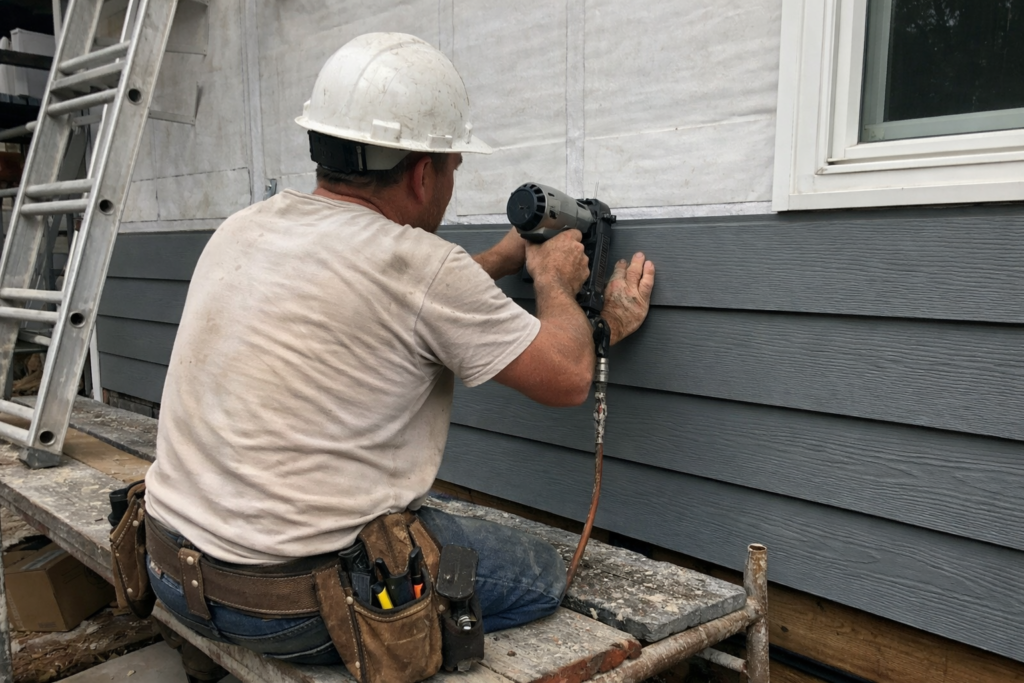
When siding work is handled cleanly, the crew rolls in with a clear scope, weatherproofing and trim lines lined up, and a tidy jobsite with staged materials so things stay predictable. Communication stays simple with one on site point person and a single up to date spec, so gutters and color details don’t bounce around.
The schedule stays steadier because material arrives on time, the handoff between estimator and foreman is smooth with the spec sheet and flashing details reviewed on site, and the crew starts with a shared understanding of nail pattern to keep the lines tight. Fewer callbacks and wasted estimates follow because early checks catch misfits, and the result is a clean install with good fit and a predictable finish, which helps repeat work from the right customers.
Learn from the siding jobs that turned into scope creep
Learn from the siding jobs that turned into scope creep when trim lines got changed mid course and access got blocked, blowing the schedule. The pattern behind bad fit work is sloppy handoffs, mismatched expectations, and a few surprise calls that pull the crew off the wall and leave weather gaps.
This went sideways when the crew found hidden rot behind the existing siding after the inspection, and the extra days stacked up as the client wanted more changes. Those slips cost time, money, energy, and calendar space, plus wasted estimates and callbacks when the plan shifts again.
Caught earlier next time would look like clearer talk about weatherproofing, fit, and clean lines, tighter handoffs, and a schedule that keeps the job on track without drama.
Double down on siding marketing that actually books quotes
What actually holds up over time in siding work is clear standards for where joints meet, how flashing sits, and how seams are sealed, plus steady follow-through that keeps those choices from drifting. When expectations are laid out and handoffs between crews stay tidy, weatherproofing stays consistent and the fit stays true.
A trade-real moment shows up in how trim joints are squared and the edges are set so water cannot creep into the corners, keeping clean lines. That steadiness shows in day-to-day work—fewer callbacks.
Summary
Keep siding marketing simple: show craftsmanship, set scope clearly, and protect the calendar with standards and follow-through. For local nuance, the state picker breaks it down.
FAQs
Why do siding inquiries come in waves instead of a steady pipeline?
Why it happens: inquiries roll in waves because weather windows, project timing, and referrals cluster around nearby jobs. What it looks like on a real job: you’ll see a burst of calls and estimates one week, then a slow lull as crews get wrapped up or weather shifts.
What handled well looks like: a steady schedule built to ride those waves, with estimates moving through quickly and the crew kept ready for the next fit and finish job rather than waiting for the next referral. The focus remains on weatherproofing, fit, and clean lines, not chasing a constant stream of calls.
How long does it take for siding work to feel more consistent?
Consistency takes time because it hinges on weather blocks, material lead times, and a few jobs queued so crews aren’t sitting idle. In real life, you will notice a few projects queued, estimates moving along, and callbacks that taper off when things line up.
Handled well, the calendar stays aligned with reliable weather windows, estimates tighten up, and rework stays to a minimum so weeks feel less random. That balance keeps weatherproofing, fit and clean lines as the steady reference rather than trying to chase an unpredictable demand.
Can siding contractors stay booked without chasing new calls nonstop?
Why it can work: steady quality and clean scheduling keep the calendar full through referrals and repeat clients. What you see on the ground is a few projects booked out, a backlog of estimates, and not a constant rush for new work.
Handled well, you maintain a buffer, keep crews moving on the right fit jobs, and keep expectations realistic so you don’t burn the line with callbacks or rework. That balance lets weatherproofing and clean lines stay the focus rather than chasing a never ending drumbeat of new inquiries.
What’s the biggest mistake siding contractors make that keeps work unstable?
Why it happens: contractors sometimes pick jobs too fast or take on work that isn’t a good fit for the crew, then scramble to pull it through. What it looks like on real life jobs: a string of small, quick turn jobs that end up needing rework, callbacks, or weather delays, throwing the schedule off.
Handled well, you keep scope aligned with the crew’s capacity, pre qualify jobs by fit and weather, and resist taking on bad matches that snowball. That keeps weatherproofing, fit, and clean lines at the center and avoids the slow weeks that come from mismatched jobs.