
How Mold Remediation Contractors Get High-Urgency Leads
What kind of mold jobs are actually worth taking? In a busy week, a panic call can sound urgent but end up with questions and no real project yet.
Real projects show a defined scope, a real moisture issue, and a plan that fits a reasonable budget and schedule. Slower weeks teach you to filter out the maybes and keep the calendar from getting pulled apart by inspections that go nowhere.
When a job actually moves forward, you save time, avoid wasted trips, and you can talk with homeowners without the chaos.
- Set up lead sources for mold concerns that convert to booked work
- Ask the mold questions that separate real jobs from panic calls
- Spot mold red flags before you commit to a messy scope
- Stop giving free mold consultations without a next step
- Follow up clearly so mold leads feel safe choosing you
- Summary
- FAQs
Set up lead sources for mold concerns that convert to booked work
Lead flow in mold work comes with urgency, but the on-site picture isn’t always as clear as the call, and the crew gets pressed by a tight schedule. There are slow weeks, missed calls, and inbox pileups, and a lot of what looks like a mold issue hides a simple leak or surface stain that isn’t a real project.
One time a caller wanted an estimate after a leak; the tech drove out, and it turned into a wasted estimate because it was cosmetic staining, not a mold job. Handled right, the aim is to separate the real projects from the false alarms, keep crews moving, and protect the schedule without chasing every panic call.
Ask the mold questions that separate real jobs from panic calls
People chase every mold inquiry and treat a casual call as if it’s a real mold remediation project. That breaks when the client isn’t ready to commit, the scope keeps shifting, and attention gets scattered, which leads to half-done follow-ups, missed appointments, and estimates that never settle.
It turns into stress, schedule mess, endless callbacks and reschedules, plus mixed signals that blur what’s actually needed for the job. When it’s clean, the team sticks to a clear focus, fewer callbacks, more consistent communication, and a project that lines up with what’s realistically doable.
Spot mold red flags before you commit to a messy scope
When mold work is handled cleanly, the crew moves from entry to assessment with minimal back and forth, and the scope is clear before the first visit. Simple, straight talks about what needs to happen keep the schedule steady, and the client expectations align so there are fewer late changes.
A brief moment shows a smoother handoff when the remediation team and the lead walk the space together, the scope is confirmed, and work starts without a long wait. An estimate lands quickly, the job site stays cleaner, and callbacks stay to a minimum, leaving time for the next project in slow weeks.
Stop giving free mold consultations without a next step
The pattern you missed is scope creep dressed as a quick consult, turning a small fix into a full project and blowing the schedule. It costs time and money because crews sit idle waiting for access, estimates get wasted, and the energy it takes to chase changes drains everyone.
This went sideways when access was blocked and hidden moisture showed up, turning a quick check into a larger job and a cascade of callbacks. When those issues are spotted early, the job reflects the real scope, the crew moves with fewer delays, and the whole thing ends closer to what was actually needed.
Follow up clearly so mold leads feel safe choosing you
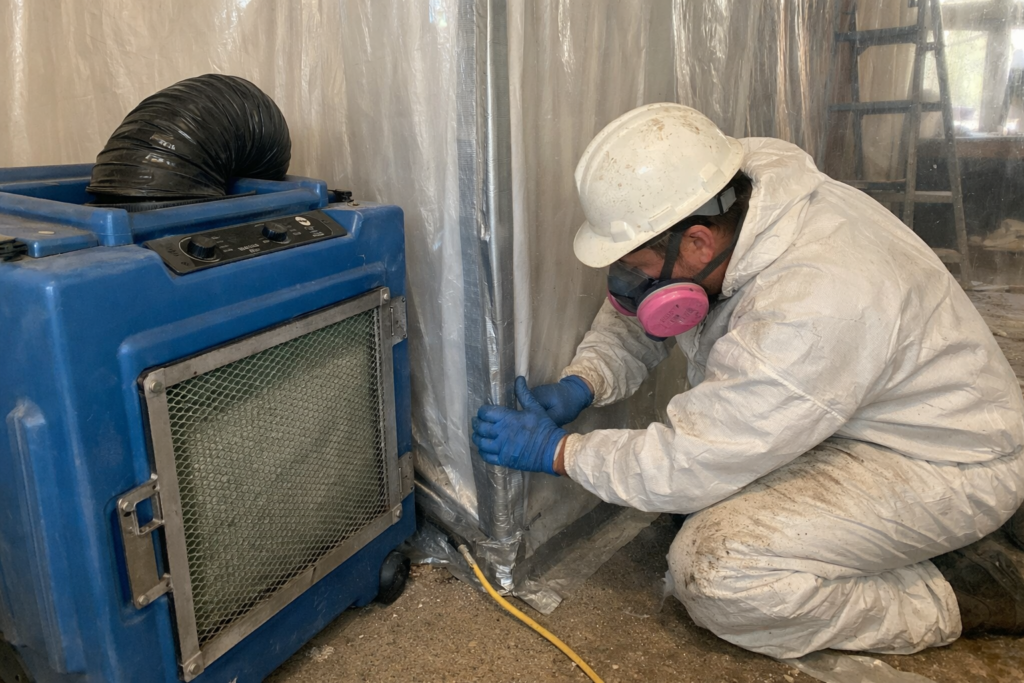
What holds up over time on real jobs is steady adherence to basic standards, clear expectations, and follow-through that stays steady through good weeks and bad. A trade-real moment shows how small choices matter: when containment is prepared and a room is sealed correctly before work starts, it keeps the project from drifting.
The steady path shows in a calendar that stays predictable and handoffs that feel clean, with fewer last-minute reschedules and smoother transitions between crews. Across the month, the difference comes from documenting scope, keeping notes consistent, and following up on issues without letting small gaps turn into rework.
Summary
Mold leads aren’t “more” — they’re “better.” Qualify by symptoms, urgency, and budget so you avoid panic tire-kickers. If you want to see how it plays out where you are, take a quick look at your state.
FAQs
Why do so many mold inquiries end with no booking after you explain everything?
That happens because a lot of inquiries are just seeking information or a price without committing to a scope. What it looks like in real life is calls that loop with back and forth questions and then a lead that fizzles after you explain the basics.
When it’s handled well, the conversation stays tight, you flag what’s real and what isn’t, and you finish with a clear read on whether a site visit makes sense. The result is fewer wasted trips and fewer callbacks chasing a maybes.
What should I ask before I drive out for a mold inspection?
Why this matters: going on-site without a plan wastes crew time and creates back-and-forth if the info isn't ready. In practice you get people who want you to see everything at once, with little context or photos, or situations where entry is blocked.
When it’s handled well, you get a quick sense of whether the job is real, you’ve already got a few facts lined up (photos, access, moisture concerns) that let you skim for fit, and you can set expectations about what a full assessment would entail.
How do I say no to bad mold jobs without losing good work?
Not every lead fits your crew, whether the scope is off, the budget is too tight, or safety concerns are bigger than the request. What it looks like on the phone or in email is pushback, a stalled conversation, or a rerun of the same questions without a clear path to starting.
Handled well, you acknowledge the limits honestly, steer toward jobs that align with real remediation work, and keep the door open for future fit without burning the relationship.
What’s the fastest way to improve lead quality for mold remediation?
A sharper intake filters the leads that are actually ready to move on real containment and remediation, saving crew time. In real life you still see plenty of chatter and maybes, with few details on scope, photos, or occupancy that tell you if it’s a real project.
Handled well, you move fast to confirm core scope and what the site can support, so you can proceed with real leads instead of chasing endless follow-ups.