
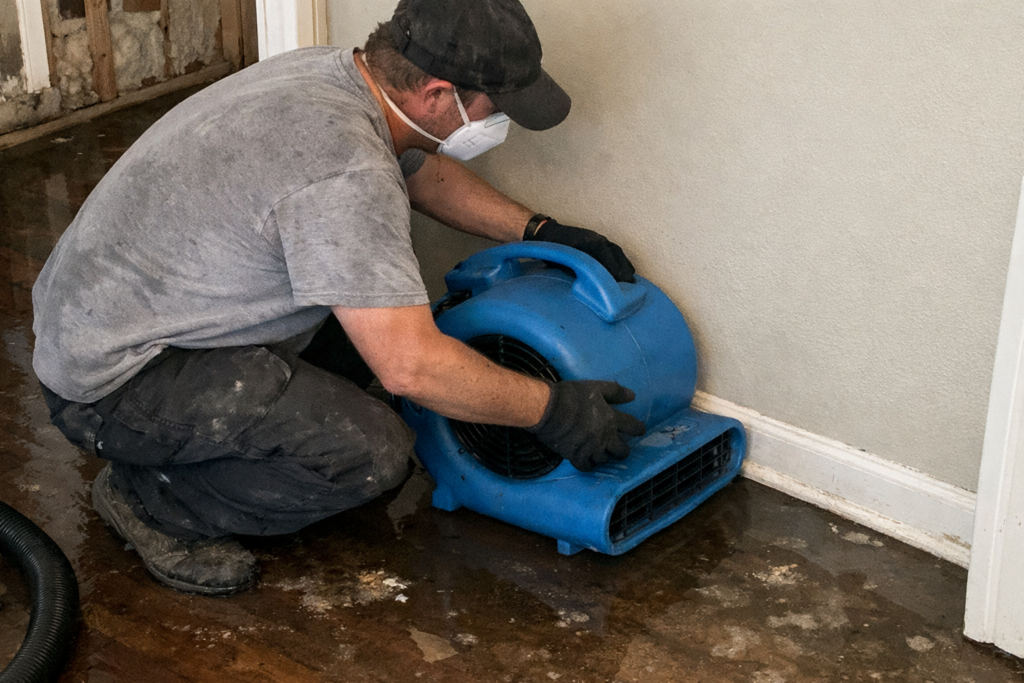
How Water Damage Restoration Contractors Can Win More Jobs
If your restoration business suddenly got busier, what would break first? When the job list grows, the equipment you rely on and the drying schedule get stressed, and that can slow everything down.
Busy weeks make every estimate feel tight and a missed callback can derail the day. Keeping things simple means fewer interruptions, fewer trips back to the shop, and work that moves from site to site without chaos.
The aim is to keep equipment ready, drying times predictable, and tasks coordinated so you can handle more work without overloading the team.
- Create a repeatable flow of mitigation jobs, not random spikes
- Raise response and documentation standards before scaling volume
- Protect crews and response time when calls pile up
- Price restoration jobs so you can staff and respond properly
- Keep what brings water damage calls and remove what does not convert
- Summary
- FAQs
Create a repeatable flow of mitigation jobs, not random spikes
When a mitigation call stacks onto the schedule, the clock starts ticking on drying time, equipment moves, and crew stamina. Missed inquiries or slow weeks pile up inbox work while crews chase the current job, and small misreads cost hours chasing rework.
What breaks is the rhythm: callbacks, reschedules, and delays that eat time and push jobs into the next week. Handled right, the flow keeps drying windows from bleeding, equipment moves smoothly between rooms, and the crew can keep pace without burning people out.
In one real moment a weekend call about a lingering odor forced a reschedule when containment planning hadn’t lined up with the drying plan, and that extra visit rattled the week.
Raise response and documentation standards before scaling volume
In the field the usual move is to chase the next job and push fast estimates, chasing speed over real detail. That breaks when the drying time, moisture levels, and actual conditions don’t line up with the early numbers, so schedules slip and crews scramble.
Missed calls, anxious callbacks, and reschedules stack up, estimates get reworked, and customers hear mixed signals about what will happen and when. When things settle, it looks like stress, late starts, and a mess of half finished follow through, with everyone asking for a cleaner handoff and a steadier pace.
Protect crews and response time when calls pile up
When this part is handled cleanly, crews roll in with a clear plan, equipment staged, moisture checks mapped, and the worst spots flagged before the first air movers run. Communication stays simple through a single handoff from field tech to the office, so schedules stay steady and estimates don’t stall.
The workflow stays tight because drying times are tracked, bad fit jobs are kept off the calendar, and callbacks are minimized as the work stays within the agreed scope. A concrete mini moment shows a smooth handoff to the estimator with a ready drying plan, an estimate that doesn’t drag, and a job that stays clean with containment and tidy debris control.
Price restoration jobs so you can staff and respond properly
this went sideways when a water job dragged from a quick cleanup into a full dry-out because the scope was not pinned after the first call. The pattern shows sloppy handoffs and scope creep, like finding extra water behind a wall after the dry out starts, which lets estimates drift and jobs balloon, leaving crews waiting and clients with mismatched expectations.
The cost shows up in extra drying time, wasted travel, and a cascade of callbacks that clog the schedule and drain energy. Caught earlier next time looks like a sharper grip on what is needed, clearer timing, and a single line of communication so the work can move without a halt.
Keep what brings water damage calls and remove what does not convert
On real jobs, steady standards, clear expectations, and reliable follow-through stay true through good weeks and bad. Keeping equipment ready, drying time tracked, and workflow kept clean is what holds up when surprise moisture appears and pressure rises.
A trade-real moment shows this in action when a technician spots hidden moisture behind drywall and communicates it early, preventing days of rework. That steadiness shows up as fewer callbacks and smoother handoffs, month after month.
Summary
More restoration jobs only helps if response and paperwork stay tight. Fix the bottleneck, then scale. Details vary a bit by place — here’s the state-by-state view.
FAQs
Why does taking more restoration jobs sometimes hurt profit with overtime and chaos?
Overloading the schedule pushes crews into overtime and swaps priorities, which often eats into margins and creates chaos on jobs. In real life you see late starts, rushed decisions, and more callbacks when drying times extend or moisture targets drift.
When a job stack is managed well, the work is sequenced to respect drying windows, crews move between rooms without juggling conflicting priorities, and margins stay more predictable.
How do I avoid bad restoration jobs when I still need work?
Taking on bad fits happens when the market is slow and the crew is hungry for hours, so scope and budgets blur. On real jobs you see vague or changing scopes, low bids that ignore equipment needs, and a cycle of reworks and callbacks that waste an already tight day.
Handled well, the team keeps intake honest, flags obvious misfits early, and focuses on jobs that line up with actual drying times and available equipment.
What should I standardize first to handle more restoration volume?
Standardizing how you describe scope and moisture targets is the first anchor when volume climbs. In the field you start to see mixed notes, different terminology, and late or missing data that slows crews and makes timelines unreliable.
Handled well means a shared set of terms for intake, a consistent way to record readings, and uniform reporting so crews can move from room to room without waiting for clarifications.
How do I grow a restoration business without hiring too fast?
Growing a restoration business without hiring too fast comes from watching demand creep and protecting margins, not filling every gap with another body. In practice you see stretches where the work to be done outpaces available crew time, which leads to longer drying cycles and stressed schedules.
Handled well, the team stays lean, keeps equipment aligned with current jobs, and uses measured extensions to absorb new volume without breaking response times or quality.