
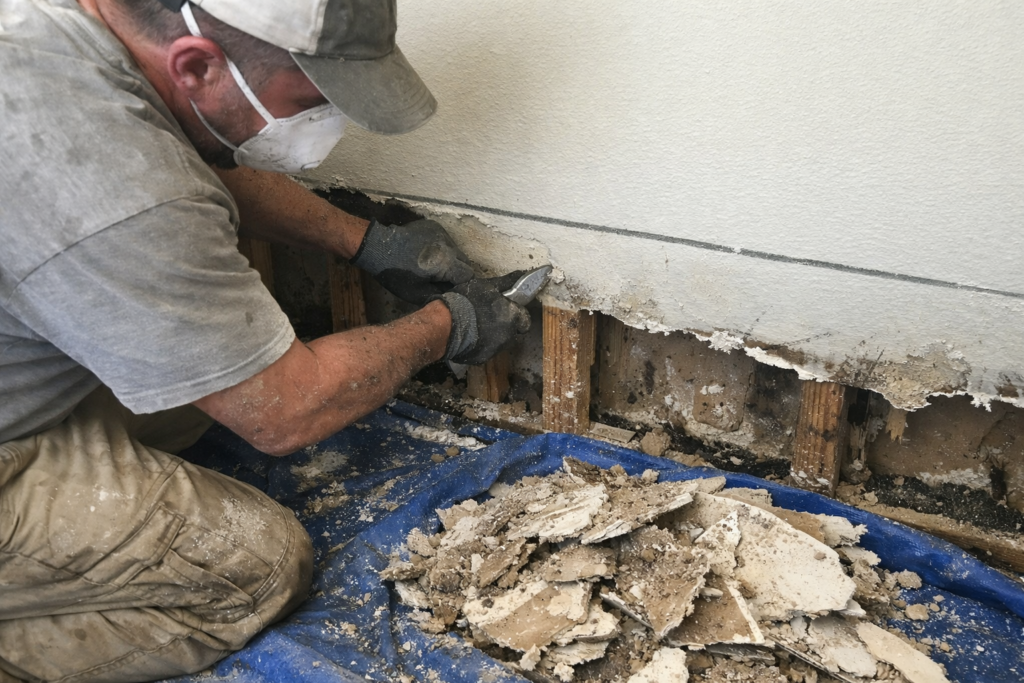
Water Damage Advertising That Converts Urgent Calls into Jobs
Balancing urgent calls with crew availability is essential. When you chase every inquiry, callbacks, reschedules, and stressed crews pile up and you waste time on estimates that never turn into real work.
Days feel smoother when you measure what you can cover, keep crews ready, and talk straight with customers about timing and expectations.
Build restoration ads that win the 2 a.m. call
A flood call lands with pressure and the clock starts ticking on a schedule that already feels stretched by slow weeks and backlogged estimates. When crews are stretched, miscommunications happen, trips get wasted, and what starts as a quick visit drags into days of juggling and reschedules.
The result is more time, more fuel, and more follow ups that never quite line up with the next job, even as the inbox fills with inquiries that sound urgent but rarely fit the current capacity. One concrete moment: a callback after a technician started a job and learned the actual needs changed, turning that day into a reschedule and a slower week.
Make your restoration ads simple for emergency decisions
In practice, people chase scattered inquiries and try to split focus between urgent calls and the steady backlog that follows a basement flood. That scatter yields follow through that never lands, with estimates started but unfinished, callbacks slipping, and mixed signals from customers who can’t lock in a scope.
The result is a messy schedule, wasted estimates, and crews pinging between high priority visits and the paperwork pile while the clock keeps ticking. When a plan lands, cracks show up fast— missed calls, tire kickers, and slow weeks— making it clear that response capacity and crew availability drive whether a job actually sticks.
Control your service area and the losses you take
In a clean run the intake note and the field crew pass information smoothly, so a water intrusion job moves from assessment to containment with no chaos. The schedule stays steady because the right fits for capacity are booked into the same window and the team avoids overcommitting, cutting down on reschedules and missed time.
Estimates land with less back and forth since scope and constraints are clear early, which reduces wasted rework and surprises later. A concrete mini moment shows it, a smoother handoff where the on site lead follows the notes without requoting, the work area stays clean, and the first day moisture readings line up with the plan, causing fewer callbacks.
Do not discount restoration work you cannot service fast
This went sideways when the access was blocked and the client ghosted for hours, leaving the crew idle and the clock ticking. The pattern behind bad fits shows up as scope creep and a blurred handoff, turning a simple call into a growing estimate and extra waiting.
Those slips cost time, money, and energy, plus extra callbacks and a tighter schedule that slips for days. Caught earlier next time looks like a clear sense of what to expect, a crew that can move with the job instead of waiting on questions, and a schedule that stays steadier.
Track which restoration jobs pay well and which ones drain you
Over time, clear standards, dependable follow-through, and clean expectations hold up in water damage work through the pressure of good weeks and bad. On real jobs, steady documentation of moisture readings and a drying plan that stays aligned with field conditions keep crews coordinated and the schedule intact.
A trade-real moment is when hidden moisture surfaces after the initial assessment and the crew flags it, adjusts the scope, and records the change for the next shift. That stability shows up as fewer blown days month after month.
Summary
Restoration ads should never outpace your ability to answer, dispatch, and document. If you miss it, you paid for chaos. Since rules and norms vary, you can skim the state notes here.
FAQs
Why do paid restoration leads sometimes feel messy, vague, or not a real loss?
Lead quality drops when folks call with unclear losses or vague damage descriptions, and that confusion eats your crew time. On real jobs you get a lead that says 'water damage somewhere,' but no size, no scope, and it’s hard to price or plan from that.
When a shop handles it well, the team can quickly separate the losses that fit what we do from the ones that aren’t a match, and the office can avoid sending a tech when schedules are tight. In slow or busy weeks, that early filtering keeps the crew from getting pulled into the wrong jobs and reduces rework.
If I’m already slammed, should I still advertise restoration?
Even in a slammed week you’ll still see inquiries; the question is how many of those fit your crew today. Real life shows that some incoming stories push toward urgent, meaningful losses that you can cover, while others clump into extra trips that aren’t worth the time.
A well-handled approach keeps the door open to the right calls while protecting schedule by vetting fit on the first chat and not overpromising. That balance helps keep the crew from getting stretched thinner and reduces callbacks and rework.
How fast do I need to respond to water damage inquiries to win the call?
Speed matters in this game, but not in a hype way. If you can reach back within the same business day during a busy week, you’ll avoid losing steam to slower replies and you’ll stay in the running for the right jobs.
On slower weeks, an hour or two delay can cost you the first impression and leave a lead chasing another option. The goal is to be reachable, with a direct tone that sets expectations about timing and what you can handle.
What’s the biggest advertising mistake restoration contractors make?
The biggest mistake is treating every inquiry as a potential job and letting capacity slip. In real life that shows up as extra trips to properties that don’t need us, more rework, and callbacks that waste time.
Handled well means you focus on calls that fit your capacity, set honest expectations on timing, and protect the crew from being pulled off the right jobs.