
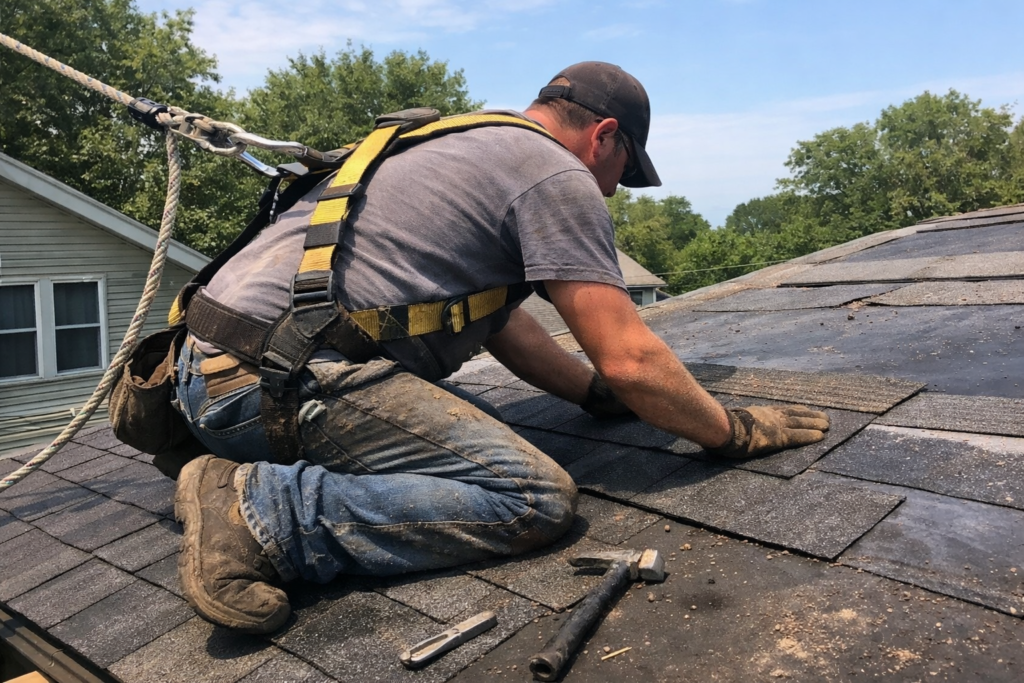
Roofing Advertising That Produces Real Estimates, Not Clicks
Is paying for roofing leads or ads actually worth it? When a paid ad lands the right roofing jobs that fit your crew and a weather window opens, you can plan without rushing.
But a bad match or flaky estimates waste days and throw the schedule off. It comes down to capacity: can you quote quickly, fit in the right slots, and keep the crews moving when weather cooperates.
If the math adds up, you save time chasing the next estimate and keep chaos to a minimum.
- Build roofing ads that keep leads coming even when competition spikes
- Make your roofing ads clear so homeowners pick you fast
- Control your roofing service area and the jobs you bid
- Do not buy roofing work you cannot complete on time
- Track which roofing jobs and lead sources are most profitable
- Summary
- FAQs
Build roofing ads that keep leads coming even when competition spikes
Paid inquiries show up and the real pressure starts with lining up crew size, weather windows, and the week’s schedule with what the team can handle. When leads pile up, the clock starts ticking, and a small misalignment between a fast estimate and the next dry spell can waste time, fuel, and energy.
A concrete moment happens when a good fit call turns into a reschedule because the crew is tied up on another job and the forecast has a window that won’t hold. Handled right, the team keeps the calendar honest, units aligned, and expectations realistic so that what looks like a hot lead in the inbox doesn’t collapse into a slow week or a flurry of late callbacks.
Make your roofing ads clear so homeowners pick you fast
People try to pull in customers with a mix of inquiries and flashy claims, hoping a loud message will grab the right roofing jobs and fill slow weeks. But attention tends to scatter, follow through stops halfway, and crews end up chasing the wrong signals as the schedule slips and estimates drift.
That shows up as missed calls, tire kickers who want a quick price but nothing booked, a stack of half finished estimates, and a calendar full of reschedules. Cleanly handled, there is a steady rhythm with clear messages, scheduled windows for weather, and a simple point of contact that keeps customers from getting mixed signals.
Control your roofing service area and the jobs you bid
When this part is handled cleanly, the rhythm sticks to the crew size and the weather window, so jobs move from inquiry to site without big swings in schedule. Communication stays simple, with a single thread linking the estimator, the foreman, and the homeowner, and handoffs are crisp when the scope is confirmed and a date is set.
The schedule stays steadier because each project fits into the crew's daily cadence, rain days and wind holds are accounted for, and follow ups don't sit idle. A mini moment: a smooth handoff where the scope is brief, the crew arrives with the right materials, and the job stays clean with fewer callbacks and no drag on the estimate.
Do not buy roofing work you cannot complete on time
The pattern you missed is taking on a job with a slim weather window and counting on one crew to carry the work, then a forecast change stretches the day and the crew sits idle. This went sideways when access was blocked by a locked gate and the crew showed up to zero progress, callbacks pile on, and the schedule slips again.
The cost shows in overtime, extra trips, and a dent in the timeline that affects nearby work and energy spent chasing the pace. Caught earlier next time looks like sizing the job to the crew and the weather plan and keeping scheduling capacity honest so days stay within reason.
Track which roofing jobs and lead sources are most profitable
What holds up over time are the standards that stay visible on the job: consistent workmanship, clear expectations, and reliable follow-through even when the weather window narrows. Crew size, weather windows, and scheduling capacity shape what stays steady, so crews can adjust within a day or two without wrecking the week.
A concrete trade moment shows in the morning: the foreman leaves a tidy closeout and a confirmed plan for the next shift, instead of loose notes that invite confusion. With that steadiness, you see fewer callbacks and smoother handoffs from week to week, month after month, even through the ups and downs.
Summary
Roofing ads should never outpace your ability to answer, book inspections, and follow through. Missed calls are paid leaks. If you want to see how it plays out where you are, take a quick look at your state.
FAQs
Why do paid roofing leads sometimes feel unqualified or only want a quick price?
Paid leads often feel unqualified because some buyers are price-shopping or just kicking tires, not ready to commit to a roof. In real life you hear calls that want a price first, vague roof details, and appointments that get pushed or canceled.
Handled well means you quickly sort out fit, confirm the scope that your crew can actually take on given weather windows, and set expectations for what a real estimate covers. That approach reduces wasted time on rework and keeps the crew from chasing the wrong jobs.
If I’m already busy roofing, should I still advertise?
Even when you’re slammed, advertising can bring in projects that fit your crew size and the weather windows you actually navigate. In real life, busy weeks still have slow moments, and a steady stream helps prevent quiet spells later.
Handled well means you sort inquiries by fit, keep the schedule steady, and avoid letting the wrong jobs crowd the list. That keeps your crew busy on what you can handle and cuts down on rework chasing the wrong type of job.
How fast do I need to respond to roofing inquiries to win the inspection?
Most inquiries come from homeowners weighing options, so speed matters because the first to lock in inspection tends to win. In real life, a slow reply lets someone else grab the slot and the conversation stalls.
Handled well means you acknowledge the lead quickly, offer a clear inspection window, and show up prepared when you agreed. That kind of responsiveness keeps the calendar from getting crowded with rework and callbacks.
What’s the biggest advertising mistake roofing contractors make?
The biggest advertising mistake is chasing the wrong leads by not considering capacity and fit with the crew. In real life, you end up with estimates for jobs you can’t start soon, small repair jobs that aren’t worth the time, and a clogged calendar.
Handled well means you focus on the kind of jobs that fit your schedule and you present yourself in a way that aligns with what you can actually commit to. That keeps the flow steady and prevents a backlog during busy weeks.